A few years ago, almost every itinerary we built followed the same basic shape: a night here, a night there, moving steadily across the northern circuit so that no park was missed and no box went unticked. They were good itineraries. Travellers saw a great deal, the logistics worked, and the photographs were beautiful. But somewhere along the way, we started noticing a pattern in the feedback we received afterward.
The moments people remembered most vividly were rarely the ones we'd planned as highlights. They were the unplanned ones: an afternoon when nothing in particular happened, a long lunch at camp because the heat made everyone reluctant to move, a conversation with a guide that wandered from wildlife into family, into history, into nothing in particular. The days with the most activity were not the days people talked about when they got home.
What "Slow" Actually Means Here
Slow travel in a safari context doesn't mean doing less. It means doing fewer things, for longer, with more space around each one. A typical fast-paced northern circuit itinerary might include five or six different camps over eight days. A slower version of the same journey might include three, with two or three nights in each.
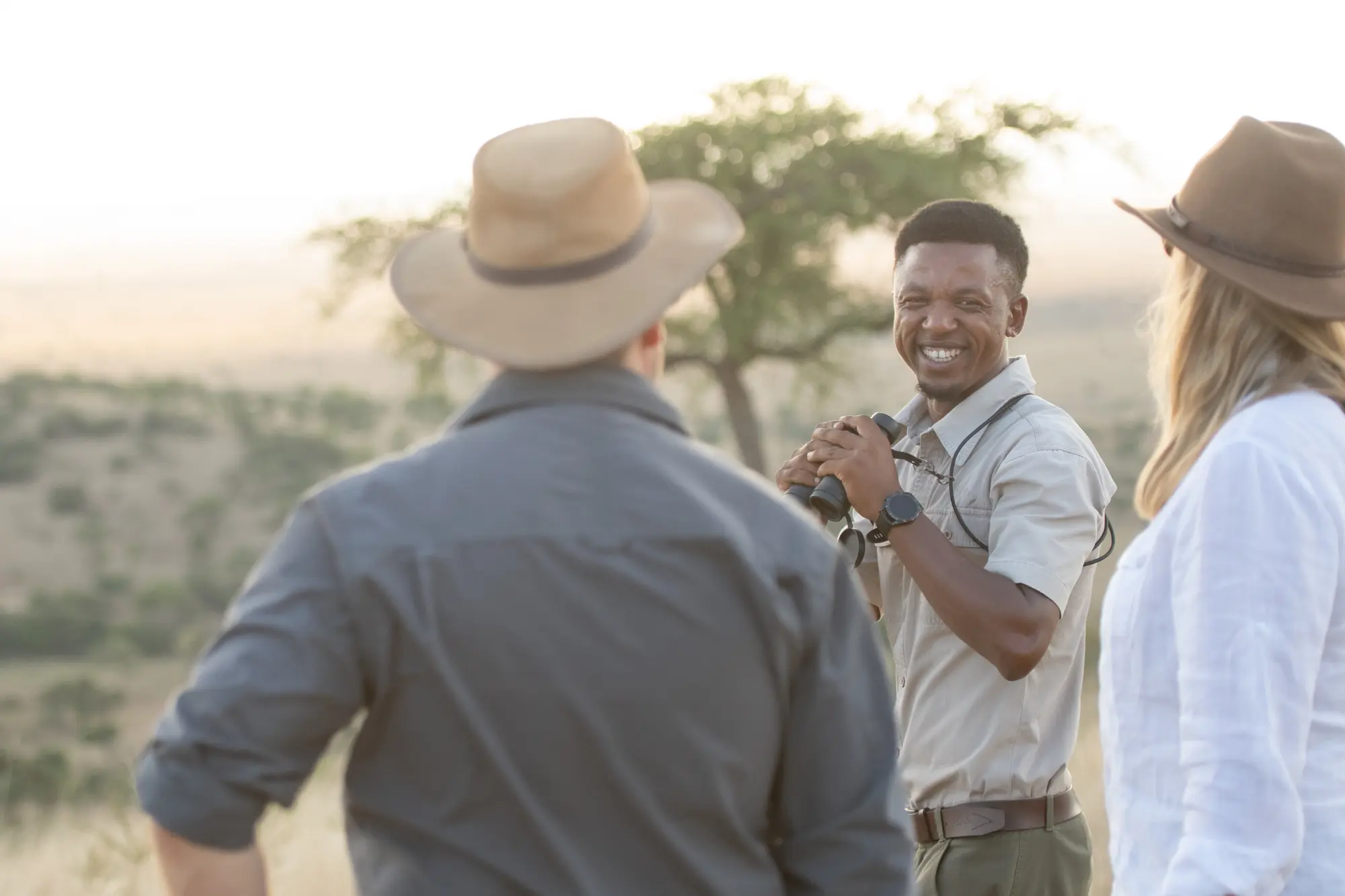
The difference shows up in small ways at first. There's no early checkout, no packing the vehicle before sunrise to make the next transfer. A morning game drive can run long if the sightings are good, because there's nowhere else to be that day. An afternoon can be spent at camp, reading, swimming, or simply sitting with a view, without it feeling like wasted time.
By the third day in the same camp, something shifts. You stop thinking about what's next and start noticing what's actually in front of you.
The Pacing of a Week
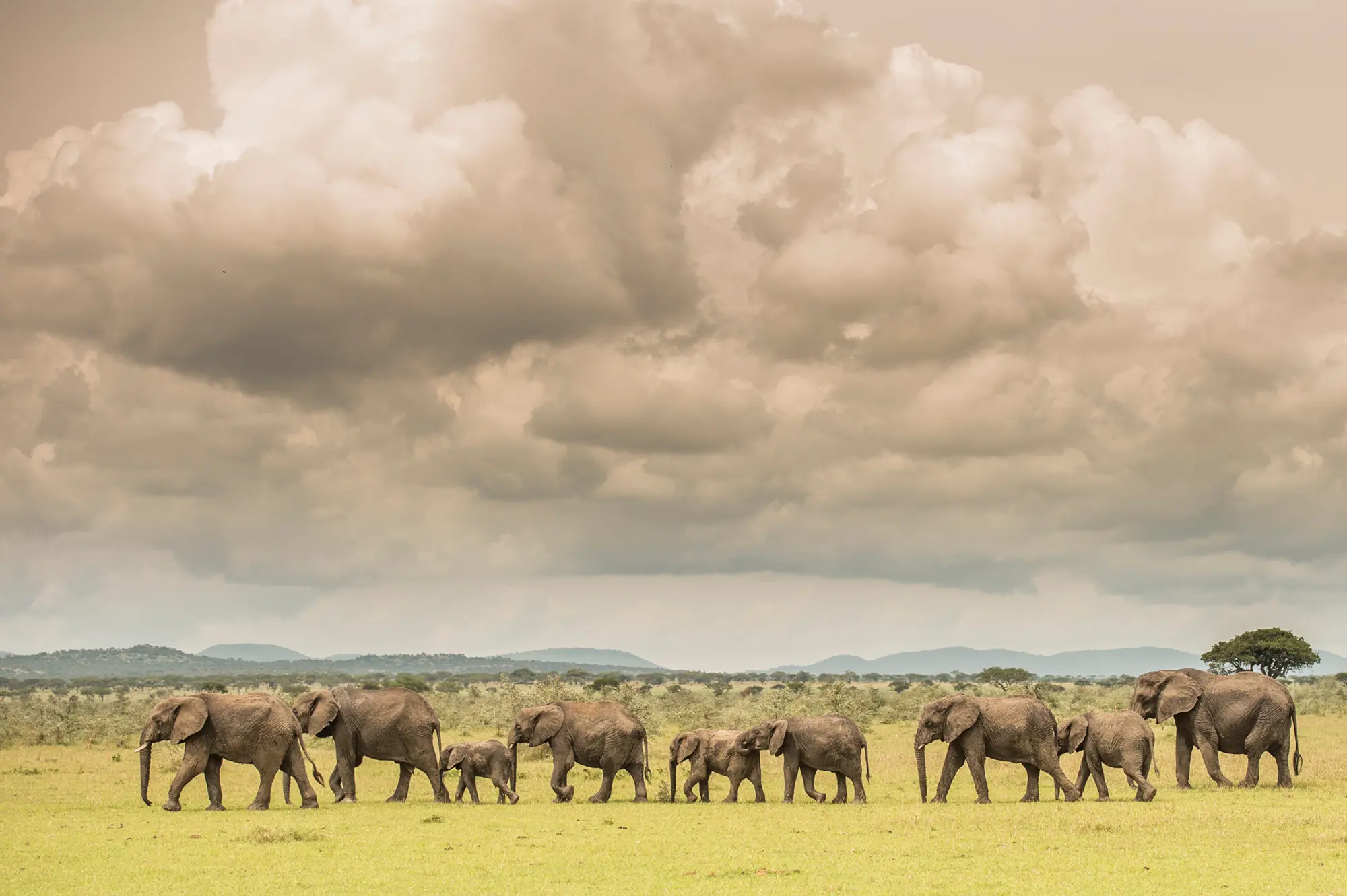
One version of this kind of journey, which we've built for a number of travellers, spends the better part of a week across just two regions: an extended stay in the Serengeti, long enough to follow the same general area of wildlife movement over several days, and a shorter stay in the Ngorongoro highlands at the end, partly for the crater itself and partly as a change of altitude and atmosphere before departure.
What makes it work isn't any single experience, it's the accumulation. By the second day in the Serengeti, you start to recognise landmarks. By the third, your guide has a sense of where a particular pride has been resting and adjusts the morning route accordingly, not because it's scripted, but because there's time to follow a thread rather than chase a checklist.
Why We Don't Publish Every Version of This
Itineraries like this one are highly specific. The right pacing depends on the season, on what a traveller wants more or less of, on how many regions genuinely fit into the time available without feeling rushed at either end. A slow itinerary that works beautifully for one set of dates can feel oddly paced for another. Because of this, some of the journeys we're proudest of are not the ones listed on our itineraries pages. They're built individually, in conversation, around a specific traveller's dates, interests, and sense of pace.
This is one of those. We can describe the shape of it, the rhythm, the kind of experience it creates, but the actual route, the specific camps, and the exact balance of days only really make sense once we know when you're travelling and what matters most to you.
What We Would Not Recommend
We'd be cautious of itineraries that promise a "slow" or "immersive" experience while still moving you to a new camp every single night. The label doesn't change the pacing. If a slow itinerary still has six or seven different beds in eight nights, the experience will feel closer to a fast-paced circuit with a gentler description, regardless of how it's marketed.
We'd also be cautious of slowing down so much that the journey loses variety altogether. The goal isn't to stay in one place for the sake of it, it's to give each place enough time to reveal itself, while still moving when there's a genuine reason to.
Interested in a Slower Itinerary?
If the idea of fewer transitions and longer stays appeals to you, we'd be glad to talk through what that could look like for your dates. There's no fixed template. We start with a conversation about pace, then build from there.
Enquire About a Slower Tanzania SafariA Different Kind of Souvenir
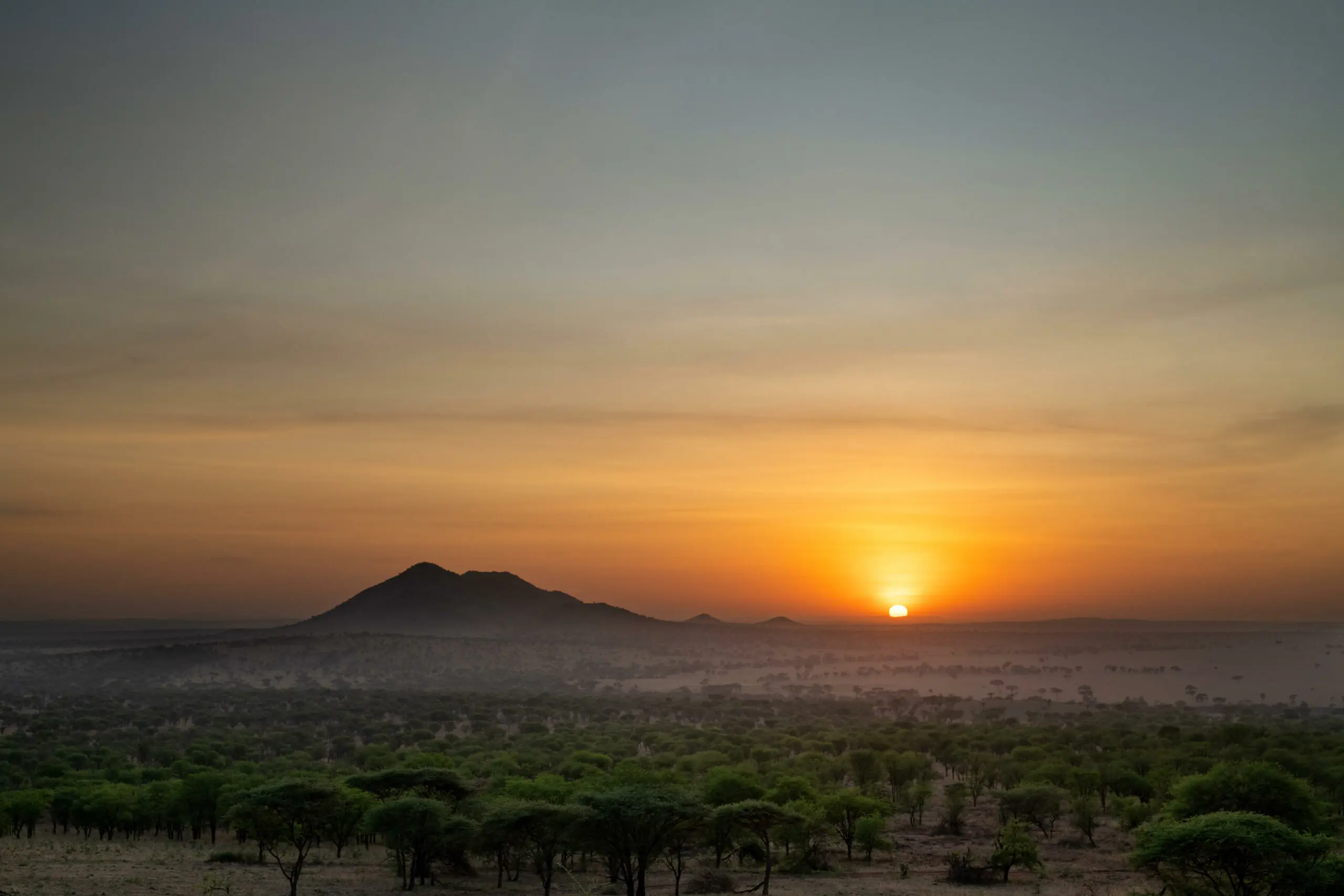
At the end of a journey like this, what travellers tend to bring home isn't a longer list of places visited. It's a clearer memory of fewer places, held in more detail. The colour of the light at a particular camp at a particular hour. The way a guide described a tree they'd known for twenty years. A morning that had no agenda at all, and turned out to be one of the best of the trip.
That's the case for slowing down. Not that it's more virtuous, or more sustainable, though it often is both. Simply that, given the choice, most people remember depth more than distance.
Related Reading
For a sense of the regions this kind of pacing works best in, see Serengeti National Park and Ngorongoro Crater. If you're considering pairing a slower safari with time on the coast, Safari & Zanzibar Escape and Romantic Tanzania Escape show two ways that combination can be paced without feeling rushed.