Preparing for Kilimanjaro involves more than fitness alone. Altitude, pacing, route choice, recovery, and mental rhythm all influence how the climb feels once you are on the mountain. Most climbers who struggle did not prepare for the right things.
Kilimanjaro does not require technical climbing skills but it is a serious altitude mountain. Many physically strong hikers still struggle when ascent outpaces the body's ability to acclimatise. The most important preparation decisions are route length, consistent cardiovascular training over three to six months, understanding altitude and how it affects the body, and realistic expectations about summit night.
Kilimanjaro does not require technical climbing skills or ropes. It does not involve glacial traversal or vertical rock faces. What it does require is the ability to walk uphill for six to eight hours per day across multiple consecutive days while the body adjusts to progressively lower oxygen levels. That adjustment is altitude acclimatisation and it is the variable that separates summit success from a high-altitude turnaround.
Altitude affects every climber regardless of age, physical fitness, or prior hiking experience. Very fit athletes have turned around at high camps. Moderately fit climbers with good preparation, a longer route, and a well-paced guide have reached Uhuru. The difference is not physical strength. It is how well the chosen route and pacing strategy allowed the body to adjust.
Understanding this before you start preparing changes what you train for and which route you choose. Both of those decisions matter more than the fitness level you arrive with.
"We have guided climbers who ran marathons and climbers who had not walked uphill in years. Both can reach the summit. What separates those who do is almost always preparation, not athleticism. The right route, the right pace, and the right expectation of how the body will feel above 4,500 metres."
The goal of Kilimanjaro fitness training is endurance for long consecutive days, not maximum single-effort performance. Long walks, hiking with elevation gain, stair climbing, and sustained cardiovascular training all build the right kind of endurance. Short high-intensity sessions do not.
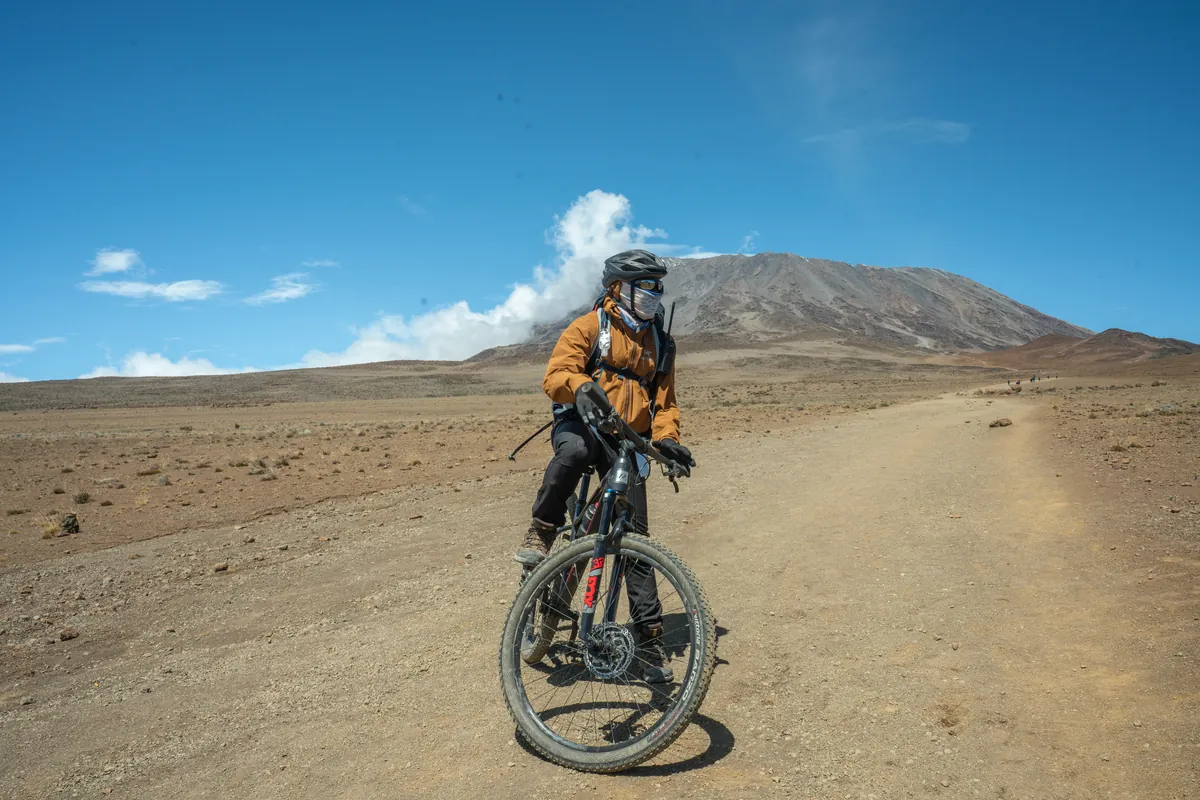
Three months is the minimum for someone starting from a base level of fitness. Six months gives the body time to build genuine endurance rather than peak fitness. The goal is accumulating time on your feet across consecutive days, not preparing for a single maximum effort.
Long hikes of four to six hours are more valuable preparation than gym sessions. If you can access hills or stairwells, use them. The Kilimanjaro day is long and uphill. Your training should simulate that rather than focus on speed or maximum intensity over short periods.
On the mountain you will hike for six to eight days in a row. Training for this means doing back-to-back long days on weekends, not resting between every effort. The ability to walk on tired legs on day three is more relevant than a single maximum performance on a fresh day.
Lower body strength, particularly quads and glutes, reduces the strain on knee joints during descent, which is often the most physically demanding part of the climb for many people. Core strength improves posture under a loaded pack at altitude. Both are useful additions to the main endurance base.
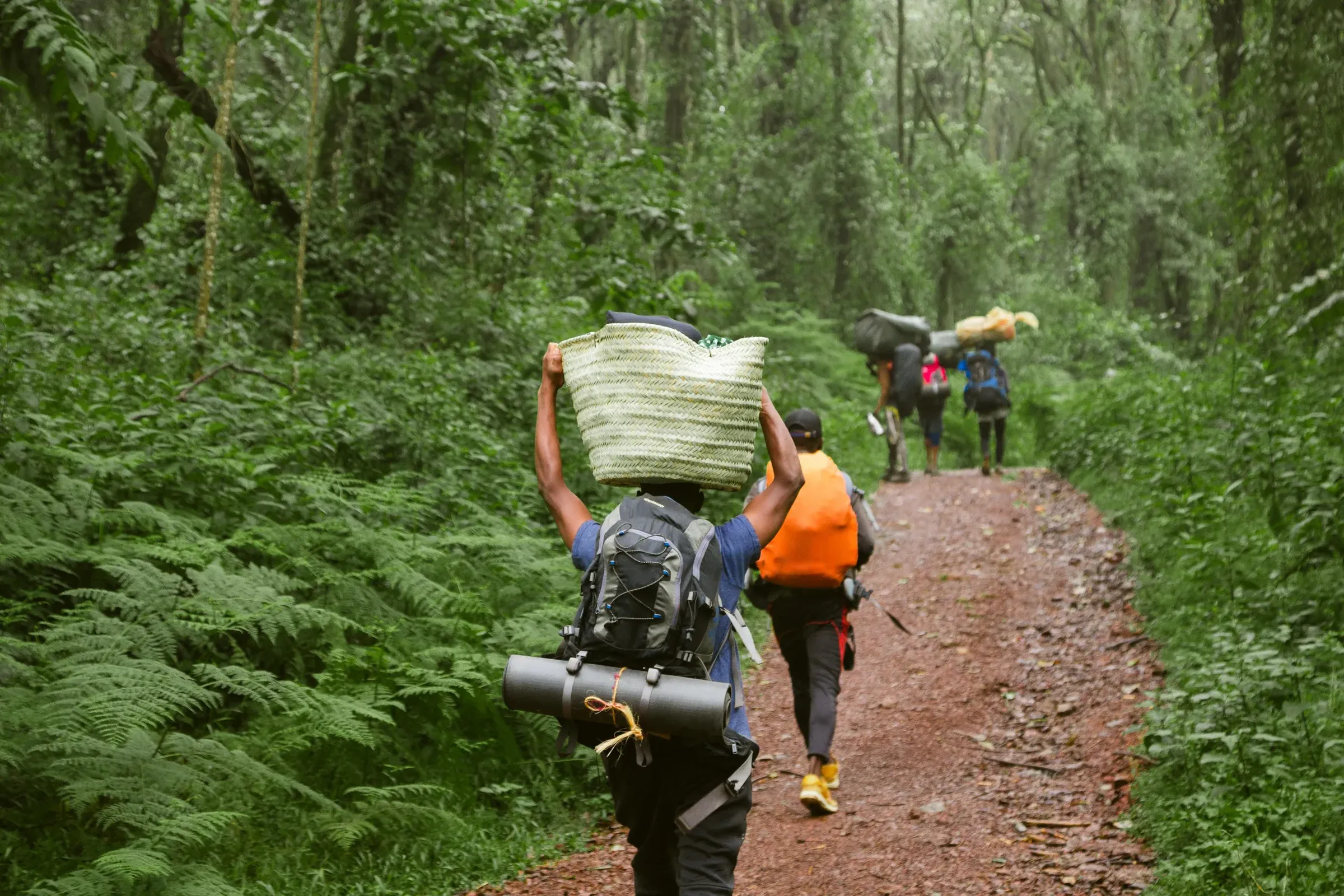
Choosing a longer route over a shorter one improves summit success probability more than any amount of additional training. An extra one or two nights on the mountain gives the body more time to adjust to altitude, which is the primary determinant of whether the summit push succeeds.
Conditions on Kilimanjaro shift dramatically between the rainforest at 1,800 metres and the summit at 5,895 metres. A layered clothing system handles this range better than any single heavy piece. You do not need expedition-grade equipment. You need the right combination of layers and the ability to add or remove them as conditions change.
Summit night begins before midnight and is the most physically demanding section of the climb for most people. Temperature drops significantly, movement slows to its minimum pace, altitude affects breathing and energy levels sharply, and the approach to the crater rim takes five to seven hours of continuous uphill movement in darkness.
At 5,000 metres and above, the available oxygen is approximately half that at sea level. The body compensates by increasing breathing rate and heart rate. Physical output above what is absolutely necessary creates oxygen debt rapidly.
The physical experience varies between climbers. Common experiences include a throbbing headache, nausea at exertion, slowed thinking, and an overwhelming desire to stop. These are normal altitude responses and do not necessarily mean the climb cannot continue. What matters is how the symptoms are trending and whether they are worsening or stabilising.
Our guides carry pulse oximeters and make ongoing assessments throughout summit night. They set the pace and they make the call on when to continue and when to descend. Trusting that judgement is part of summit night preparation.
Most of the uncertainty that makes Kilimanjaro feel intimidating comes from not knowing what the experience will be like. Climbers who arrive with a clear understanding of altitude, the daily structure of the climb, what summit night feels like, and realistic expectations about how their body will respond, enjoy the climb far more than those who arrive with only a destination in mind.
Pole pole means slowly, slowly in Swahili. It is not a cultural flourish. It is the altitude management instruction that guides use from the first day. Moving at a pace that feels almost embarrassingly slow in the lower zones is the correct pace at altitude. Accepting it early and completely changes how the body arrives at high camp.
A headache, fatigue, disrupted sleep, and reduced appetite above 4,000 metres is a normal altitude response, not a sign that something is seriously wrong. Understanding this before the climb means you do not catastrophise these feelings when they arrive. The distinction between normal discomfort and the warning signs that warrant descent is what your guide monitors and explains.
The mountain is climbed one day at a time. Thinking about summit night on day two is not useful. The daily structure of camp arrival, rest, food, sleep, and the next morning's departure creates a rhythm that most climbers find easier to settle into than they expected. The objective is today's camp. Tomorrow will be tomorrow's camp.
Our guides have led dozens of climbs to the summit. They have seen what altitude looks like at every stage, they have made the call to descend when necessary, and they have supported climbers to the top who thought they could not continue. On summit night especially, trusting their judgement on pace, timing, and whether to push or turn around is part of how the mountain is climbed safely.
You need solid cardiovascular endurance, not extreme fitness. The ability to walk uphill for six to eight hours per day across multiple consecutive days is the standard. Strong hikers who have never been at altitude can still struggle. Consistent training focused on long days and elevation gain over three to six months is more valuable than short high-intensity sessions.
Three to six months of consistent training gives the body time to build genuine endurance rather than peak fitness. If you are starting from a low base, six months is the right window. If you are already regularly hiking with elevation gain, three months of specific preparation is usually sufficient.
Acetazolamide (Diamox) can reduce the severity of altitude sickness for some climbers and is widely used on Kilimanjaro. Consult your doctor before the climb. It is not a replacement for a longer route and does not eliminate the need for proper acclimatisation. Some climbers have significant side effects. Discuss it with a doctor who knows your health history.
Eat even when you do not want to. Appetite fades above 4,000 metres but calorie demand rises sharply. Our mountain cooks prepare three meals per day including hot breakfast, packed lunch, and a hot evening meal. Eating consistently despite reduced appetite maintains energy, helps the body recover overnight, and supports altitude response.
Kilimanjaro is a serious high-altitude mountain and should be approached with respect and proper preparation. With a licensed, experienced guide, proper acclimatisation time built into the itinerary, regular health monitoring, and honest communication with your guide about how you feel, the climb is a well-managed and achievable objective for most fit adults. We carry emergency oxygen and pulse oximeters on every climb.
Your guide makes the call with you. If altitude symptoms are worsening or if you are showing signs that make continuing unsafe, descent begins. There is no shame in this and no safe alternative. Descent from any point on the mountain resolves altitude sickness rapidly. The mountain will still be there. Most climbers who turn around at altitude do so because ascent speed outpaced acclimatisation, which is a preparation and route-choice issue, not a personal failing.
Each of these is a real, departure-ready Kilimanjaro itinerary. We brief every climber on preparation, gear, and what to expect before departure.
Kilimanjaro
Kilimanjaro
Kilimanjaro
Tell us your travel dates, available days, and fitness background. We will recommend the route that gives you the best balance of acclimatisation, comfort, and summit preparation, and brief you on everything you need before departure from Moshi.