Plan Your Journey

info@amazinggallery.co.tz

WhatsApp: +255 748 691 331

Kilimanjaro Climbing Guide

Climbing
Kilimanjaro

We are based in Moshi, thirty kilometres from the Kilimanjaro gate. We have guided climbers up every route on the mountain across every season. This guide shares what we tell every climber before they arrive: which route suits their schedule, what actually determines whether you reach the summit, and what the experience is genuinely like.

5,895 m to Uhuru Peak Five Routes. One Summit. Locally Operated from Moshi
Kilimanjaro Climbing Guide Machame Route Lemosho Route Marangu Route Rongai Route Northern Circuit Preparation Guide Plan Your Climb
The Short Answer

Kilimanjaro is a trekking peak, not a technical climb. No ropes, no rock climbing, no prior mountaineering experience required. The challenge is altitude. At 5,895 metres, the air carries roughly half the oxygen available at sea level, and the body needs time to adjust. Longer routes improve that adjustment window, which is why they produce higher summit success rates. The single most important decision you will make is choosing a seven-day route over a five-day one.

On this page Why Kilimanjaro Routes Compared Altitude Zones Acclimatisation Preparation What to Pack Best Time Cost Guide Porter Welfare FAQ
Why Kilimanjaro

What the Mountain Actually Involves

Kilimanjaro is Africa's highest peak at 5,895 metres and one of the world's most accessible high-altitude summits. It rises out of the northern Tanzanian plains in complete isolation, with no other major peaks nearby. From Moshi on a clear morning you can see the summit from street level.

The climb itself moves through five distinct ecological zones: the cultivated lower slopes, dense rainforest, open moorland, alpine desert, and the glaciated arctic summit. No two consecutive days look or feel the same. The summit plateau is crossed in darkness on summit night, arriving at Uhuru Peak at dawn.

Many climbers tell us the days on the mountain surprised them. The summit is the goal, but the moorland at 3,700 metres, the Lava Tower at 4,600 metres, and the scale of the Barranco Wall leave stronger impressions than they anticipated. Give the mountain the days it deserves and it gives back generously.

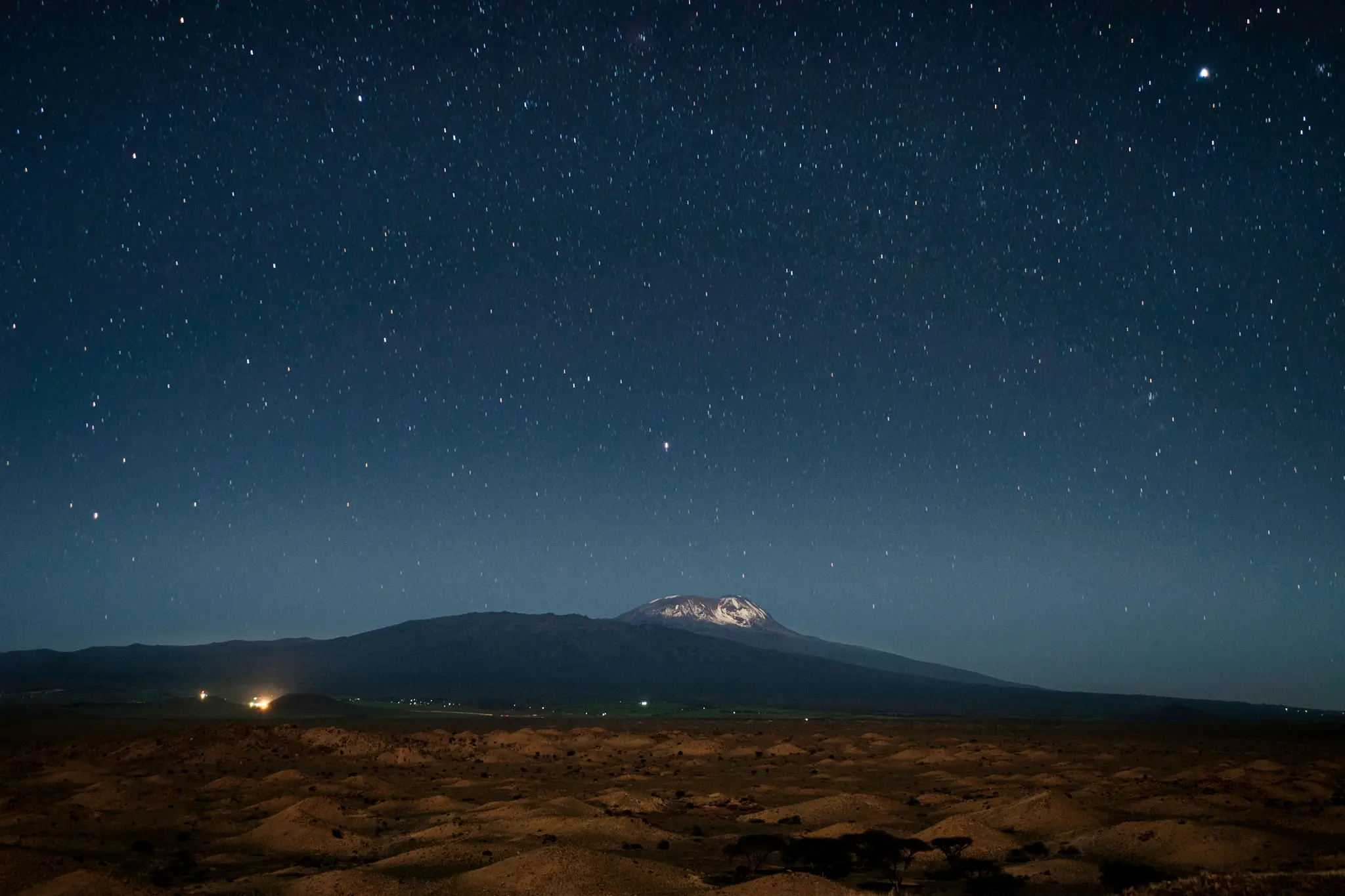
Kilimanjaro summit and glaciers, Africa's highest peak
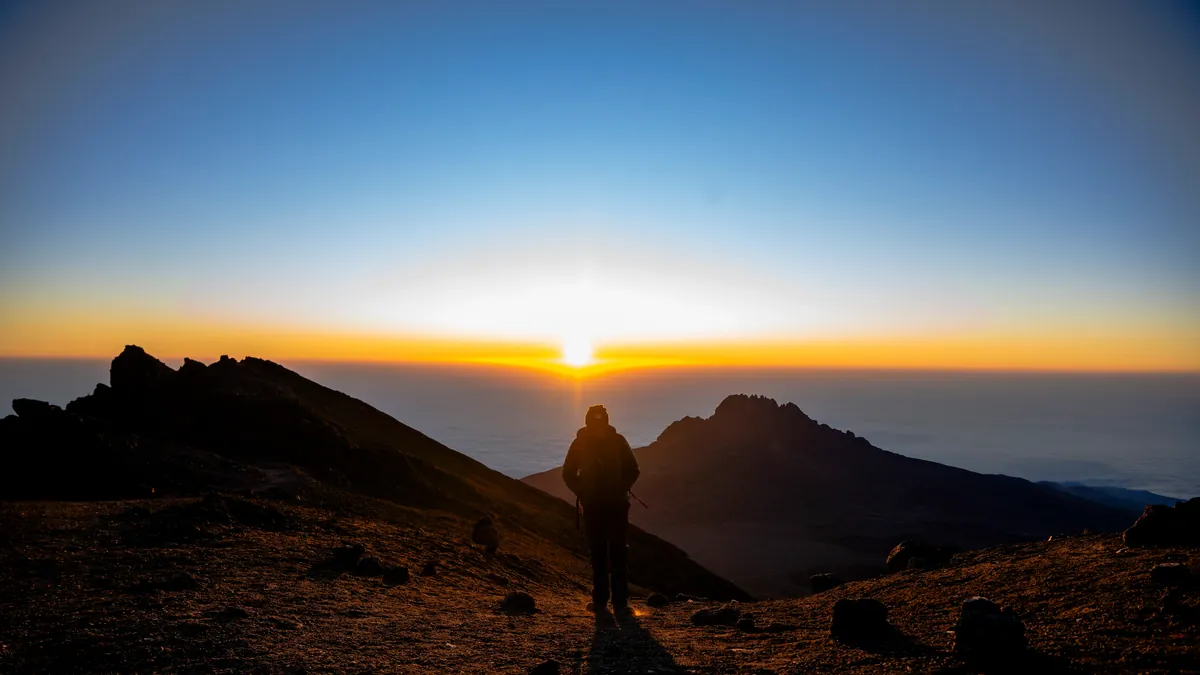
Kilimanjaro summit crater rim at sunrise, glaciers visible
From the Field

"Most climbers arrive thinking summit night is the hard part. It is, but not in the way they expected. The cold is manageable. The exhaustion is manageable. What catches people is the altitude reducing everything to one step at a time, then one more. That is the real mountain."

Choose Your Route

All Five Kilimanjaro Routes Compared

Route choice is the most consequential planning decision for a Kilimanjaro climb. Duration affects acclimatisation, acclimatisation affects summit success, and the approach determines which landscapes you move through. Here is the full picture.

Route Route Duration AGE Programme Approach Crowd Level Acclimatisation Accommodation Our Take
Machame 6–7 days 7 days South Busy Good (7 days) Tents Most Popular
Lemosho 7–8 days 7 days West Moderate Excellent Tents We Recommend
Marangu 5–6 days 6 days Southeast Busy Limited Huts Only Hut Route
Rongai 6–7 days 7 days North Quiet Good Tents Quietest Route
Northern Circuit 8–9 days 8 days West to North Very Quiet Best on Mountain Tents Highest Success Rate
Only Hut Route
Marangu Route
5–6 Days  ·  Southeast Approach  ·  Huts

The only Kilimanjaro route with dormitory-style hut accommodation rather than tents. More direct and therefore more compressed in terms of acclimatisation. We recommend adding the optional acclimatisation day (making it six days) for anyone who books this route. Suits climbers who specifically want hut accommodation over tented camps.

Full Marangu Route guide →
Quietest Approach
Rongai Route
6–7 Days  ·  Northern Approach  ·  Tents

The only route that approaches from the north, near the Kenyan border. Drier conditions, a more gradual ascent profile, and significantly fewer climbers on the trail. Descends via the Marangu route. Suits climbers who want a quieter mountain experience and do not mind less dramatic scenery on the lower slopes.

Full Rongai Route guide →
Not Sure Which Route?
We Will Help You Choose

Tell us your travel dates, how many days you have available, whether you have any altitude experience, and whether you prefer a tent or a hut. We will recommend the right route and build a full proposal from Moshi.

Ask Us Which Route
The Mountain Zones

Kilimanjaro's Five Ecological Zones

Every route moves through the same five zones in ascending order. No other mountain on earth compresses this range of ecosystems into a single week of trekking. Each zone has a different temperature, vegetation, and atmosphere.

Kilimanjaro ecological zones from montane forest to alpine desert
800–1,800 m
Zone 1
Cultivated Slopes

Coffee and banana farms on the lower mountain. Warm, humid, and green. Most climbers pass through this zone on the drive to the gate.

1,800–2,800 m
Zone 2
Montane Forest

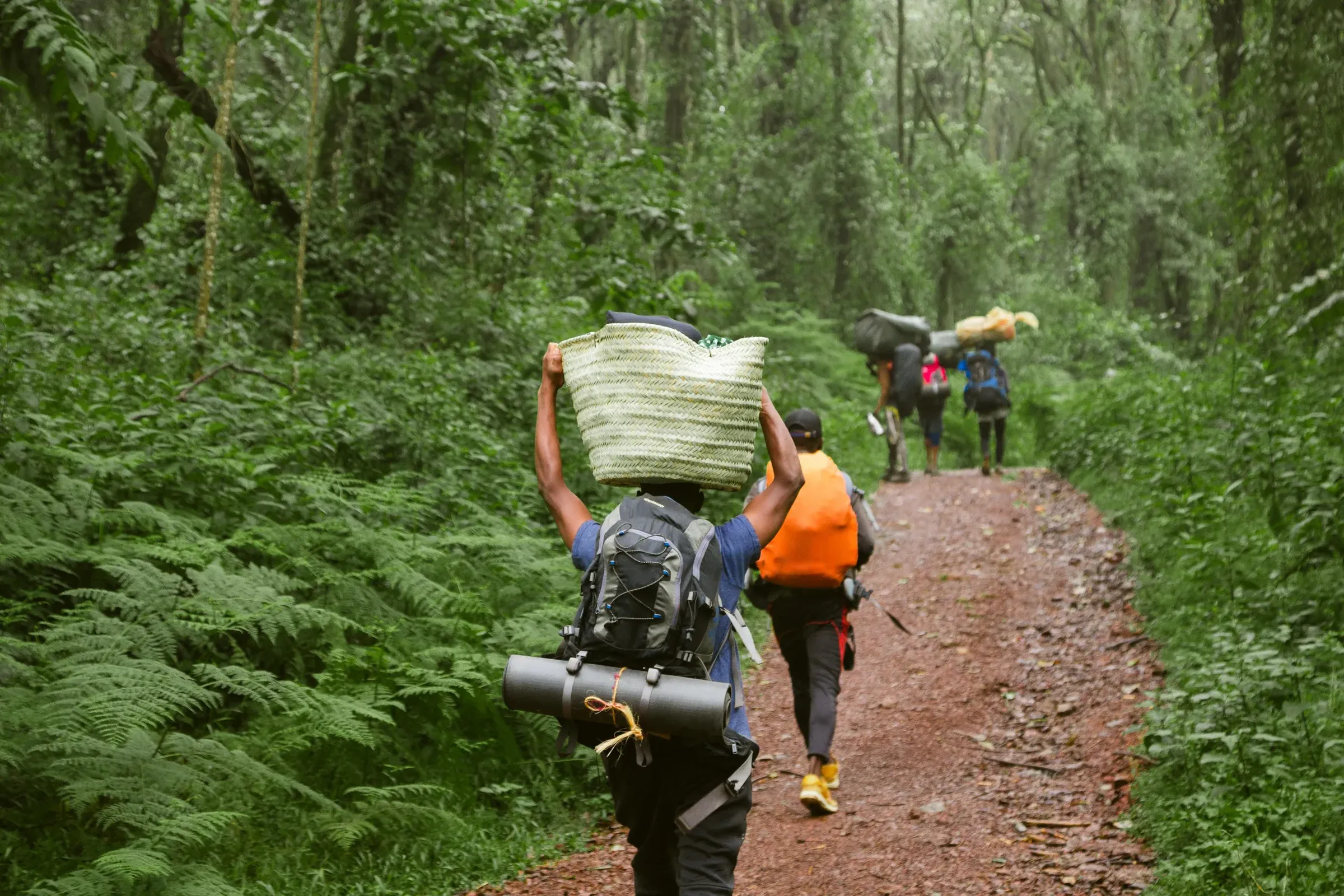
Dense rainforest with colobus monkeys, giant ferns, and African violets. The first day of most routes moves through here. Wet and atmospheric.

2,800–4,000 m
Zone 3
Heath and Moorland

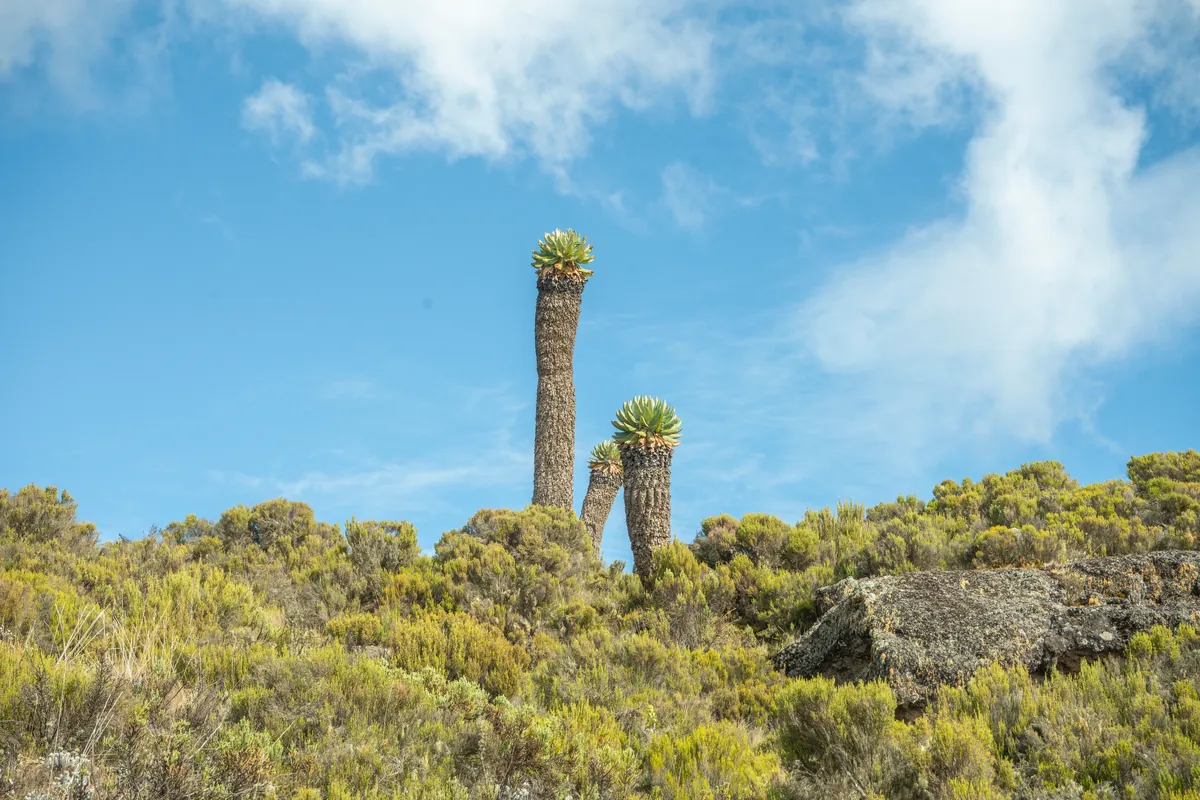
Open moorland with giant heather, lobelia, and groundsel. Dramatic skies and wide views. Temperature drops noticeably at night. The altitude starts to register here.

4,000–5,000 m
Zone 4
Alpine Desert

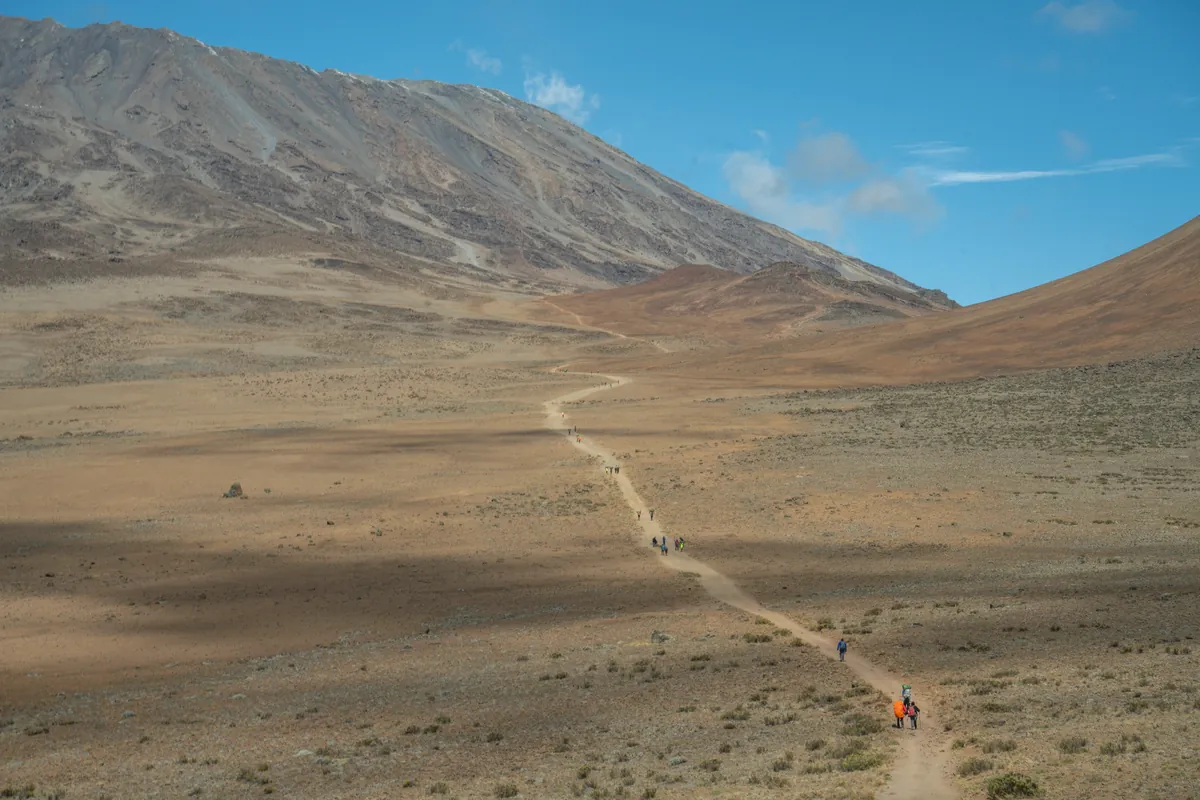
Sparse vegetation, scree, and volcanic rock. Cold nights, warm days, and the mountain starts to feel genuinely high. Lava Tower and Barranco Wall are in this zone.

Zone 5  ·  5,000–5,895 m
Arctic Summit Zone

The glaciated summit zone. Temperatures drop well below freezing. The air carries roughly half the oxygen available at sea level. Uhuru Peak at 5,895 metres is the roof of Africa.

Summit Success

What Actually Determines Summit Success

Reaching Uhuru Peak is rarely about speed. Most successful climbs are shaped by patience, altitude awareness, guide judgement, and how well the team manages the days before summit night.

Kilimanjaro climbers acclimatising on the mountain
From the Field

The mountain rewards patience.

On Kilimanjaro, the strongest climber is often not the fastest one. It is the one who has been paced properly from day one, fed well through the middle days, and supported through summit night by a guide who has made that same journey dozens of times before.

We do not just take guests to the mountain. We manage the pace, health, comfort, and decisions that give them a better chance of reaching the summit safely.

5–6 days
~55%
7 days
~85%
8–9 days
~95%

Summit success by route length. Indicative figures.

Acclimatisation Time

Longer routes give the body more time to adjust to reduced oxygen. This is why a seven-day Machame is usually stronger than a rushed six-day climb. The difference is not distance. It is the number of nights the body has to adapt before the summit push.

Guide Pacing

A good guide controls the rhythm from the first day, even when guests feel strong and want to move faster. Slow movement at lower altitude saves energy and reserves for higher ground. Pole pole is not courtesy. It is altitude management.

Daily Health Checks

Pulse, oxygen saturation, appetite, sleep quality, headache, and fatigue should be tracked carefully before symptoms become serious. Our guides carry pulse oximeters and run health checks every morning and evening. Early observation is how problems are managed before they become descents.

Hydration and Nutrition

Three to four litres of water per day and three meals regardless of appetite. At altitude the body loses water faster through deeper breathing, and calorie demand rises sharply. Hydration and food are not small details. They affect warmth, energy, and altitude response directly.

Summit Night Management

The final push starts before midnight and reaches the summit around dawn. It requires calm pacing, proper layering, short scheduled rests, and guide support through the coldest and most demanding hours on the mountain. How summit night is managed separates prepared climbs from rushed ones.
Summit Success
Time + Pacing + Health Monitoring + Guide Judgement
Rushed Climb
  • Fast early pace that burns energy before altitude demands it
  • Less recovery time between camps
  • Higher chance of fatigue arriving at summit night depleted
  • Less time for guides to observe and respond to altitude signs
  • More pressure and stress on the final push
Well-Paced Climb
  • Controlled walking rhythm from day one, set by the guide
  • Better acclimatisation through more nights at altitude
  • More time for the guide to observe health and adjust pace
  • Energy preserved and body prepared for summit night
  • Calmer, safer decision-making throughout

Not sure which Kilimanjaro route gives you the best chance?

Tell us your travel month, fitness level, and available days. We will recommend the route that gives you the best balance of acclimatisation, comfort, and summit preparation.

Ask About the Best Route
Getting Ready for the Mountain

How to Prepare for Kilimanjaro

Most people who do not reach the summit were not unprepared in the conventional sense. They had trained. They had the right gear. What they lacked was a longer route or the pacing discipline to match their pace to the mountain's demands. Preparation addresses both.

Physical Preparation

Kilimanjaro does not require technical fitness or mountaineering experience. What helps is cardiovascular endurance and leg strength for sustained uphill effort over several hours. Begin training at least three months before your climb.

  • Long hikes with elevation gain, ideally carrying a daypack with the weight you will carry on the mountain.
  • Stair climbing and incline treadmill work builds exactly the muscles the climb demands.
  • Multi-day backpacking trips if possible. Consecutive days of moderate effort are more relevant training than single hard sessions.
  • Cardiovascular base: running, cycling, or swimming three to four times per week for the three months before the climb.

Mental Preparation

Summit night is physically manageable for most climbers who are well-prepared. What surprises people is the psychological demand. Cold, dark, reduced oxygen, exhaustion, and several hours of relentless uphill effort combine to make the final push genuinely difficult. Knowing this in advance helps.

  • Understand that slow is correct. Moving at a pace that feels almost embarrassingly slow is the right pace at altitude.
  • Set an intermediate goal: focus on the next rest stop, not the summit. Break the ascent into stages.
  • Trust the guides. They have seen this before. Their calls on pace, rest, and progress are based on experience, not optimism.
Before You Travel
  • Consult your doctor about Diamox (acetazolamide) and whether it is appropriate for you.
  • Confirm travel insurance includes mountain evacuation and altitude-related medical cover.
  • Get a dental check. Tooth pain can intensify at altitude.
  • Break in your boots. New boots on summit night are a significant problem.
Full preparation guide →
What to Pack

Kilimanjaro Packing Guide

Kilimanjaro packing covers an extreme range of temperatures. Base camp on the first day is warm and humid. Summit night is well below freezing with wind. Everything must fit into a duffel bag your porter carries and a daypack you carry yourself. Weight and layering are the two governing principles.

Layering System
Base, mid, shell, and insulation
  • Moisture-wicking base layers for every day on the mountain. Merino wool or synthetic.
  • Fleece mid-layer for evenings and early mornings in the forest and moorland zones.
  • Hardshell waterproof and windproof jacket and trousers for upper mountain and summit night.
  • Down or synthetic insulated jacket for summit night. This is the most important item of clothing.
  • Lightweight trekking trousers for the lower mountain. Convertible zip-offs are practical.
Extremities
Hands, head, and feet
  • Thick summit gloves and inner liner gloves. Hands are exposed in the cold before dawn.
  • Balaclava or warm hat that covers ears. A sun hat for the lower mountain.
  • Hiking boots that are well broken-in. Waterproof, ankle-supporting, and comfortable for eight or more hours per day.
  • Gaiters to keep scree and dust out of your boots on the upper mountain.
  • Camp shoes or sandals for evenings at camp to rest your feet.
Hiking Gear
In your daypack every day
  • Trekking poles. Non-negotiable on summit night and very helpful throughout. Pack collapsible models.
  • Headlamp with fresh batteries and a spare set. Summit starts before midnight.
  • Reusable water bottles or hydration reservoir: carry a minimum of two litres at all times. We provide water purification or boiled water at camp.
  • Sunscreen (SPF 50 minimum) and UV-rated sunglasses. Glacier reflection and high altitude UV is intense.
  • Snacks for each day: energy bars, nuts, dried fruit, chocolate.
Health and Safety
What to carry personally
  • Any prescription medication in original packaging with enough supply for delays.
  • Blister treatment: moleskin, adhesive foam, or a blister kit.
  • Paracetamol and ibuprofen for headaches and muscle soreness.
  • Lip balm with SPF. Lips crack badly at altitude in dry conditions.
  • Diamox if prescribed. Take as directed and start a day before the ascent.
Photography
Documenting the climb
  • Camera or smartphone with plenty of storage. The scenery across all five zones rewards photography.
  • Keep electronics warm at night. Cold drains batteries rapidly above 4,000 metres.
  • Spare batteries in a chest pocket on summit night, kept close to body heat.
  • A small dry bag or rain cover for camera gear during forest days when rain is likely.
What Not to Bring
Keep the bag light
  • Hard suitcases. Porters carry duffel bags. Maximum porter weight is 15 kg per KPAP regulations.
  • Cotton base layers. Cotton holds moisture and causes rapid heat loss when wet.
  • Multiple changes of clothing. Most climbers wear the same layers for consecutive days without issue.
  • Heavy camera equipment. A mirrorless body with one versatile lens covers the climb well.
Seasonal Planning

Best Time to Climb Kilimanjaro

Kilimanjaro can be climbed in every month of the year. The mountain's own microclimate means conditions change rapidly and no month is fully reliable. What the seasons determine is the probability of good weather and the busyness of the trails.

Peak Seasons (Recommended)

January through March offers clear skies above the clouds, cold temperatures at altitude, and significantly fewer climbers on the trails compared to the main season. Night skies from high camp are exceptional. This is our preferred window for those who want a quieter mountain.

June through October is the main climbing season. Drier and warmer than the January window, trails are busier but conditions are stable and reliable. July and August see the highest volume of climbers. Book well ahead for this window.

Months With Higher Rain Risk

April and May carry the heaviest rains. Lower slopes become slippery, visibility is reduced, and the experience on the mountain is genuinely difficult. Rates are lower but the conditions make it the weakest window on the calendar.

November sees the short rains. Conditions are unpredictable. Some climbers have excellent weeks in November; others face persistent rain. It can work but the uncertainty is real.

Monthly Conditions Calendar
Jan
Clear
Feb
Clear
Mar
Good
Apr
Rains
May
Rains
Jun
Dry
Jul
Peak
Aug
Peak
Sep
Peak
Oct
Good
Nov
Mixed
Dec
Good
Peak / Best Conditions
Good Conditions
Wet / Unpredictable
Local Advice

"January and February are genuinely our favourite months for guiding on Kilimanjaro. The trails are quiet, the sky above the clouds is clear, and the cold at night is dry and manageable. Most climbers have never heard of this window and they are surprised by how good it is."

Transparent Pricing

What a Kilimanjaro Climb Costs

Kilimanjaro is not a cheap climb and the price differential between operators reflects real differences in guide quality, porter welfare, equipment standards, and mountain crew experience. The lowest prices in the market almost always mean compromised porter pay, underqualified guides, or both.

Route and Duration From (Per Person) What This Covers
Marangu 6 Days From USD 2,200 Park fees, certified guides, porters, hut accommodation, all meals on mountain, transport from Moshi
Machame 7 Days From USD 2,500 Park fees, certified guides, porters, camping equipment, all meals on mountain, transport from Moshi
Lemosho 8 Days From USD 2,800 Park fees, certified guides, porters, camping equipment, all meals on mountain, transport from Moshi
Northern Circuit 9 Days From USD 3,200 Park fees, certified guides, porters, camping equipment, all meals on mountain, transport from Moshi

What the price includes

  • Kilimanjaro National Park fees and conservation levies (significant at USD 70+ per person per day)
  • Certified and experienced lead guide and assistant guides
  • Full mountain crew including cooks and porters
  • All meals on the mountain (three per day plus snacks)
  • Camping equipment: tents, sleeping mats, dining tent, toilet tent
  • Transport from Moshi to gate and return
  • Emergency oxygen and first aid

What is priced separately

  • Personal gear and clothing (sleeping bag rental available)
  • Visa and international flights
  • Moshi accommodation before and after the climb
  • Safari or Zanzibar extension if added
  • Gratuities for guides and mountain crew (customary and appreciated)
  • Travel insurance with mountain evacuation cover
Porter Welfare and Responsible Climbing

How We Operate on the Mountain

A Kilimanjaro climb involves a large mountain crew. A typical seven-day climb has one climber for every two to three crew members: guides, assistant guides, a cook, and porters. How that crew is treated is one of the most direct ways a climber's money affects the mountain community.

KPAP compliance. We adhere to the standards set by the Kilimanjaro Porters Assistance Project (KPAP), which cover maximum porter loads (15 kg), appropriate clothing and equipment for all crew, fair wages paid on time, and proper treatment throughout the climb. Ask any operator about their KPAP relationship before booking.

Crew wages. We pay guides and porters wages above the minimum TANAPA rates. Tips from climbers are distributed transparently at the end of every climb, guided by standard rates that we share with guests in advance so the process is fair for the whole crew.

Leave no trace. All rubbish generated on the mountain is carried down by the crew. We do not bury, burn, or leave waste. The mountain's ecosystem above the treeline is fragile and slow to recover.
Read our full responsible travel approach →
Common Questions

Frequently Asked Questions

Answers to questions we hear most often from climbers planning their first or returning Kilimanjaro climb.

How difficult is climbing Kilimanjaro?

Non-technical. No rock climbing, ropes, or prior mountaineering experience required. The primary challenge is altitude. Above 4,000 metres the reduced oxygen makes even moderate effort feel hard. Good preparation, a longer route, and steady pacing address this more effectively than fitness alone.

Which route should I choose?

For most first-time climbers, Lemosho (8 days) or Machame (7 days) are the best starting points. Both offer good acclimatisation and strong scenery. If you have nine days, the Northern Circuit gives the highest summit success rate on the mountain. If you specifically want hut accommodation, Marangu is the only option.

What is the summit success rate?

Climbers on seven-day routes typically achieve summit success above 85 percent when well-prepared and properly paced. Eight and nine-day routes push this closer to 90 to 95 percent. Shorter routes see noticeably lower rates because the acclimatisation window is compressed. Route length is the single biggest factor within a climber's control.

Do I need to be very fit to climb Kilimanjaro?

Good cardiovascular fitness and leg endurance help significantly. You do not need to be an athlete. Start training three months before the climb with regular long hikes, stair climbing, and cardiovascular exercise. The most important preparation is mental: understanding that slow and steady is the correct pace at altitude.

What is the best time of year to climb?

January through March and June through October are the two main seasons with the most reliable weather. January to March is quieter and colder with clear skies above the clouds. June to October is warmer and busier. Avoid April and May (heavy rains). December and November can work but are less predictable.

How much does a Kilimanjaro climb cost?

A fully supported climb on a seven-day route typically costs from USD 2,500 per person. This covers park fees, guides, porters, camping equipment, and all meals on the mountain. Costs increase with route length and decrease slightly in larger groups. Be cautious of operators pricing significantly below this: the difference is almost always porter welfare and guide quality.

Trusted by climbers who have reached the summit with us
Explore Sample Itineraries

Kilimanjaro Climbs We Build from Moshi

Each of these is a real, departure-ready itinerary. Every climb is tailored to your schedule, group size, and summit goals. All depart from Moshi.

Machame Route Kilimanjaro 7-day southern approach scenic Kilimanjaro
7 Days Southern Approach
Machame Route
Seven days on the most popular and scenic route on the mountain. Good acclimatisation via the Lava Tower profile. The Barranco Wall and Barafu Camp before a midnight summit push.
Lemosho Route Kilimanjaro 8-day western approach excellent acclimatisation Kilimanjaro
8 Days Western Approach
Lemosho Route
Eight days on the most rewarding combination of acclimatisation quality and remote mountain scenery. The Shira Plateau approach and a quieter first three days separate this from Machame.
Kilimanjaro and Zanzibar 14-day climb and beach recovery Climb + Beach
14 Days Climb + Beach
Kilimanjaro & Zanzibar
Combine a seven or eight-day Kilimanjaro climb with five nights on Zanzibar. Summit the mountain, then recover on the Indian Ocean. Connected by domestic flight from Kilimanjaro airport.
View All Kilimanjaro Climbs
Start Planning

Speak With a Local Kilimanjaro Specialist

Tell us your travel dates, how many days you have, and whether you want to add safari or Zanzibar. We will recommend the right route and send you a full proposal from Moshi, where we live and where every climb departs.

Plan Your Kilimanjaro Climb Contact Us
WhatsApp Us
WhatsApp Us