From Moshi, we have guided travelers through the Serengeti, Ngorongoro, Tarangire, and the southern parks for years. This guide shares what we tell our guests before they arrive: which parks suit which travel styles, when to go, what a good safari vehicle looks like, and what a safari should actually cost.
Tanzania is one of Africa's most rewarding safari destinations because the experience changes so dramatically from park to park. The Serengeti offers open plains and the Great Migration. Ngorongoro Crater concentrates wildlife inside a volcanic caldera. Tarangire is known for elephant herds and baobab landscapes. The dry season from June through October offers the easiest game viewing, but every season has something worth coming for. The most important decision is not when to go. It is how long to give each place.
Many countries in East and southern Africa offer excellent game viewing. Tanzania's distinction is the scale and variety of what sits in a relatively compact travel window. You can move from the vast open plains of the Serengeti to the birdlife and forests of Lake Manyara to the concentrated wildlife of Ngorongoro Crater in a single northern circuit, and no two days feel like the same experience.
Tanzania is also one of the few countries where the national parks are genuinely large enough to absorb visitor numbers without feeling crowded. The Serengeti is 14,763 square kilometres. Ruaha in the south is over 20,000 square kilometres. There is room to find space, even at peak season.
We are based in Moshi, at the foot of Kilimanjaro. We know northern Tanzania intimately and travel the southern circuit regularly. This guide reflects that local knowledge, not a brochure.
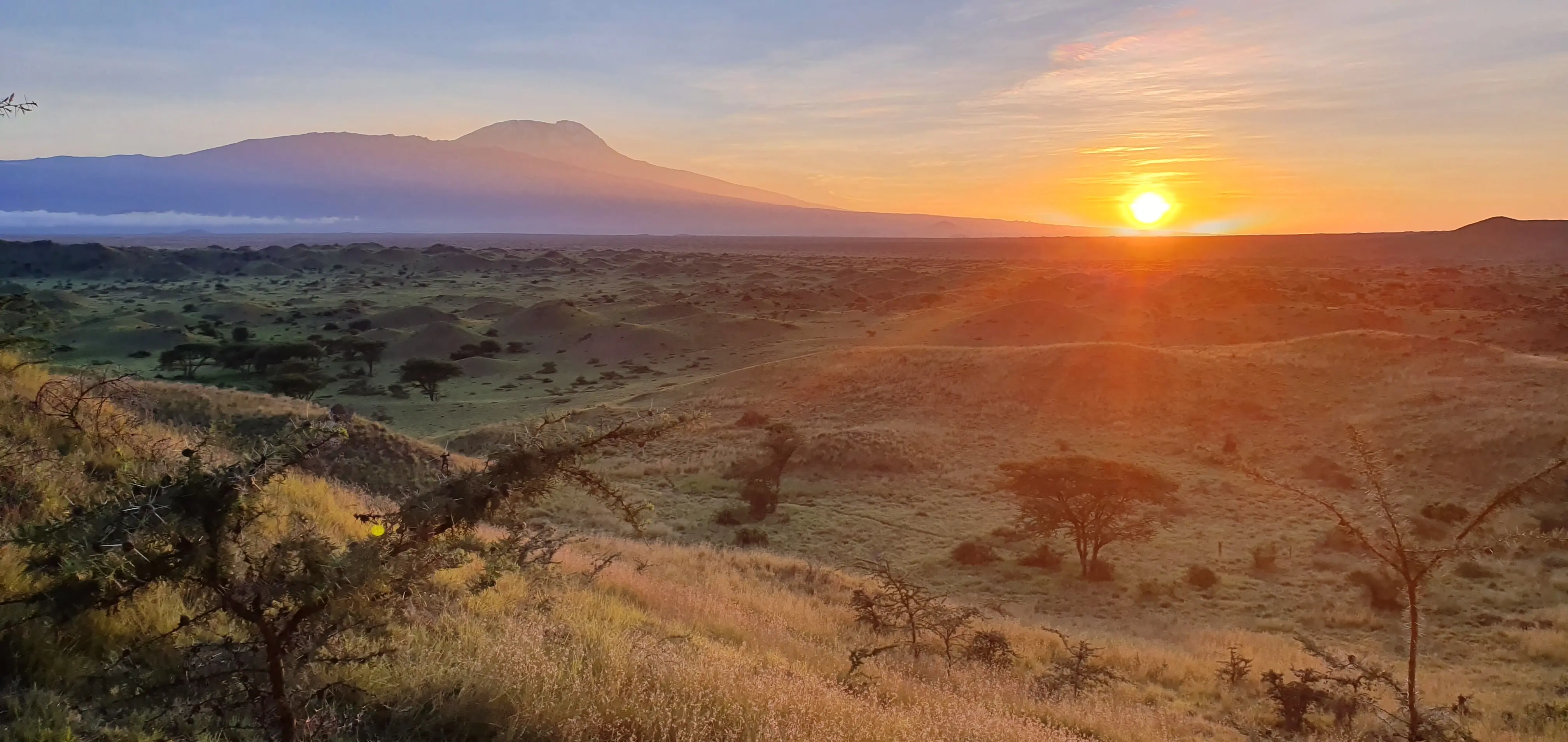
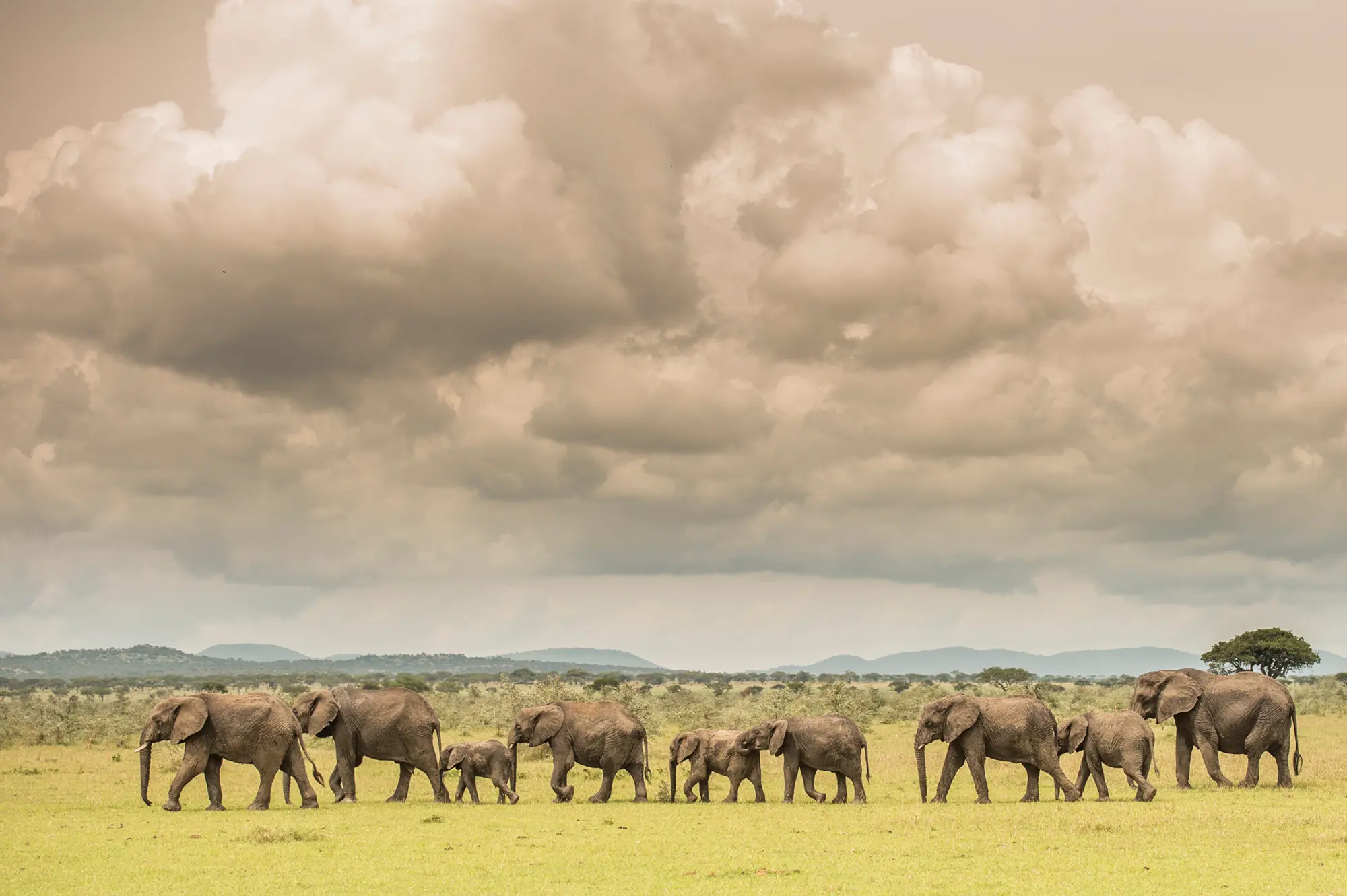
"The Serengeti is not dramatic in the way photographs suggest. It is quieter, larger, and more constant. You start to understand the scale after the second or third day, when you realise you have been driving for an hour and the landscape has barely changed."
Each park has a distinct character, a distinct best season, and a distinct reason to visit. Understanding the differences helps you build an itinerary that reflects what you most want from the experience.

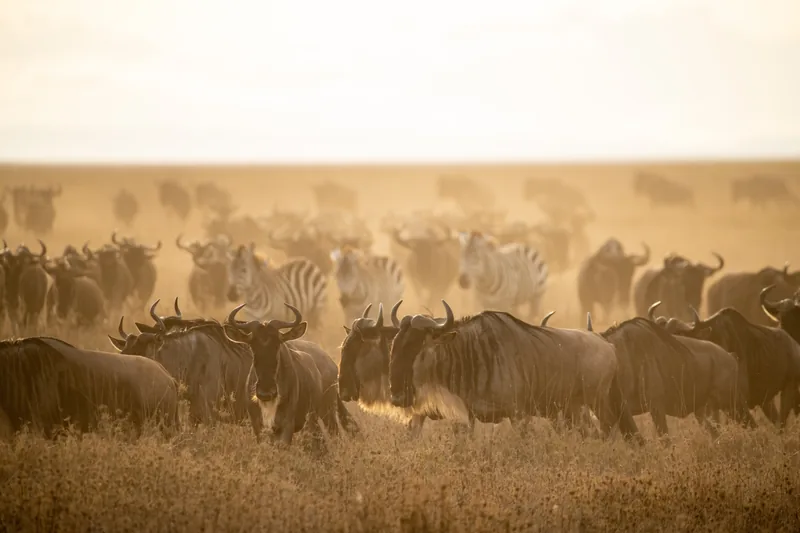
Tanzania's most famous park, and one of Africa's greatest wildlife areas. The Serengeti is best known for the Great Migration, but it rewards visitors throughout the year. Different regions dominate different seasons: the south for calving in January through March, the central plains year-round, the western corridor for river crossings from July, and the northern Mara in peak crossing season from August through October.
Explore Serengeti →
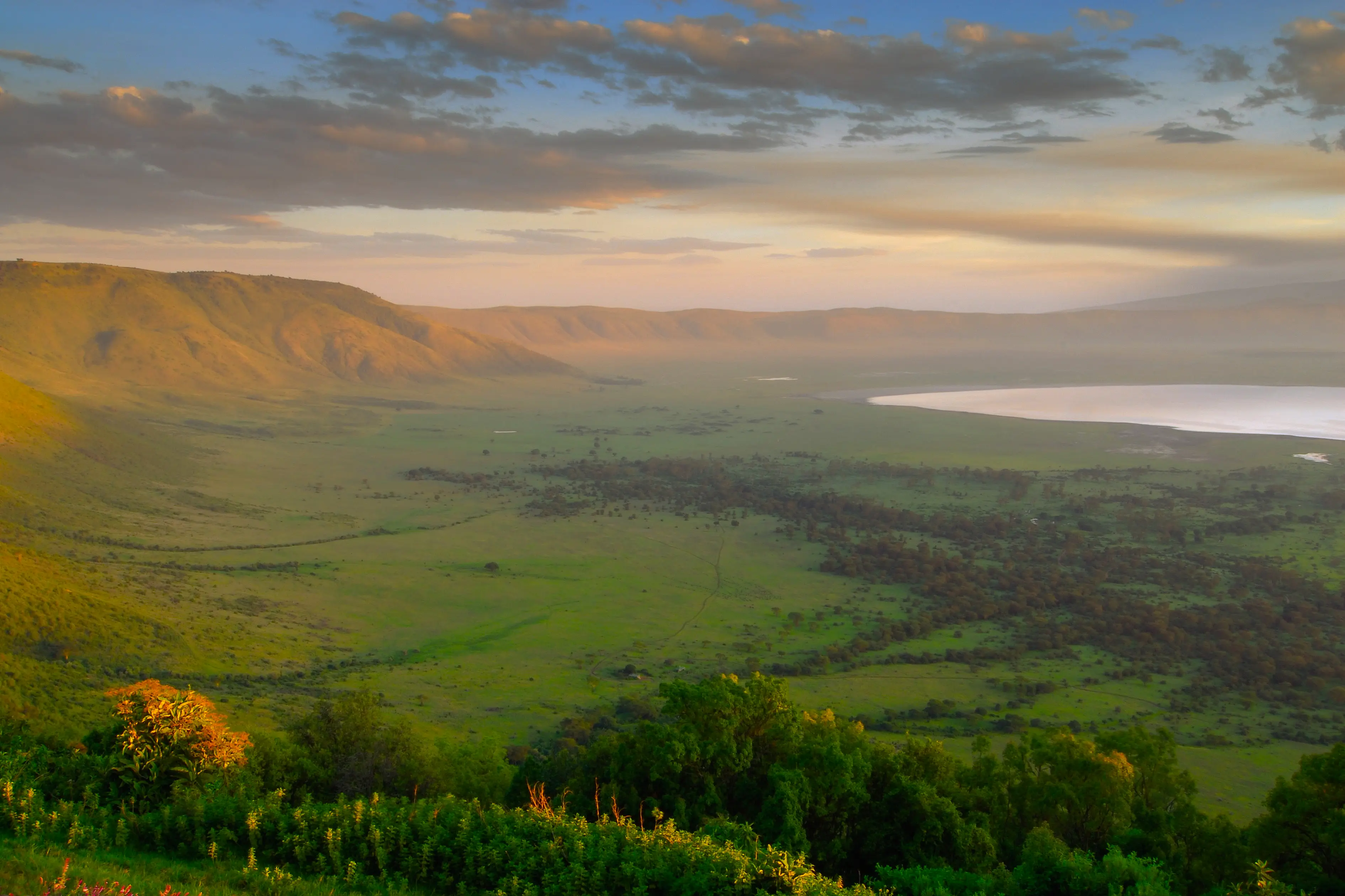
The world's largest intact volcanic caldera. The crater floor holds a permanently resident wildlife population: lions, elephants, buffalo, hippos, and some of Tanzania's remaining black rhinos. Because the walls contain most species, game viewing is dense and reliable in all seasons. The highland setting means cool mornings and misty conditions that look unlike anything on the open plains.
Explore Ngorongoro →
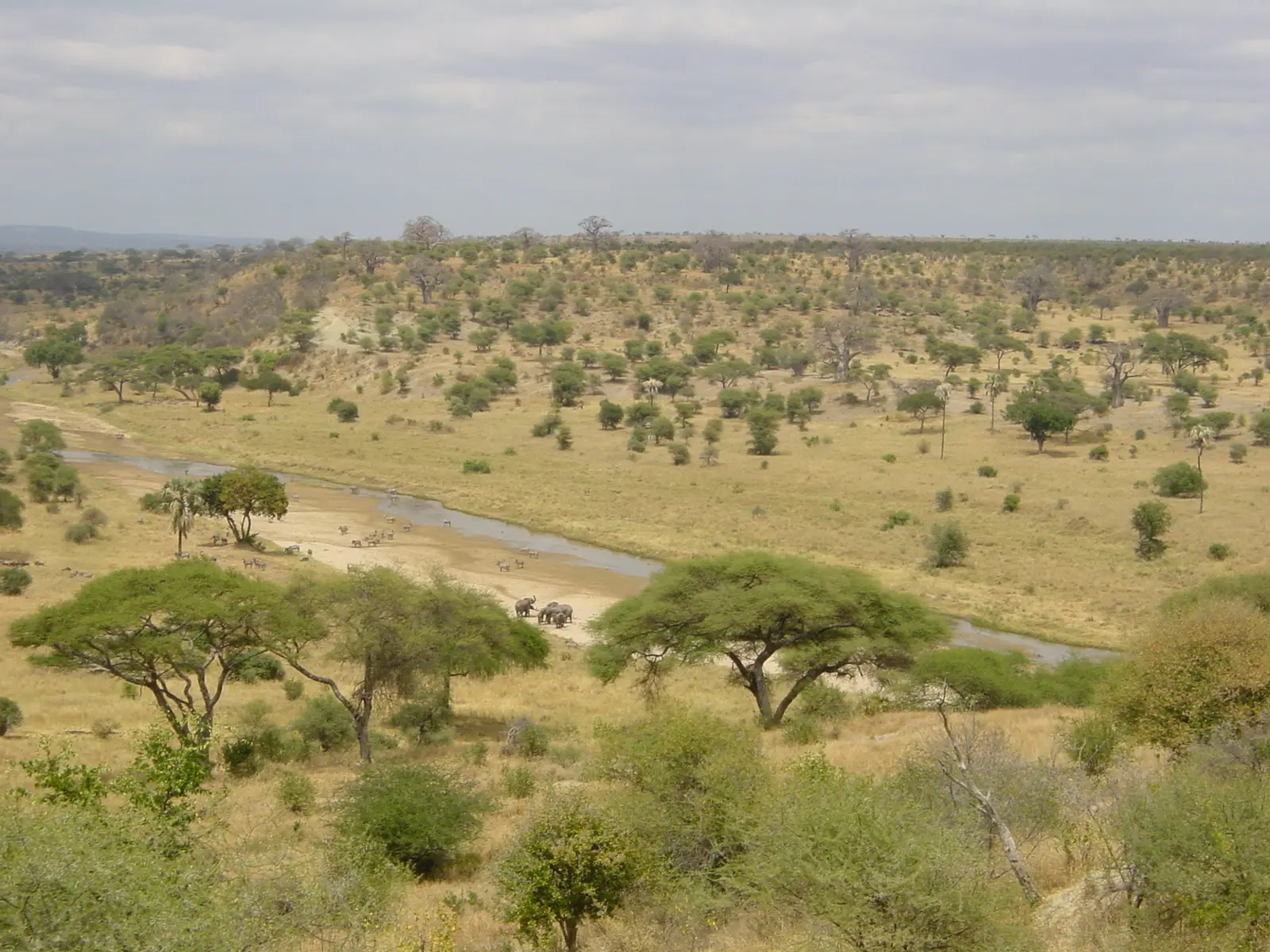
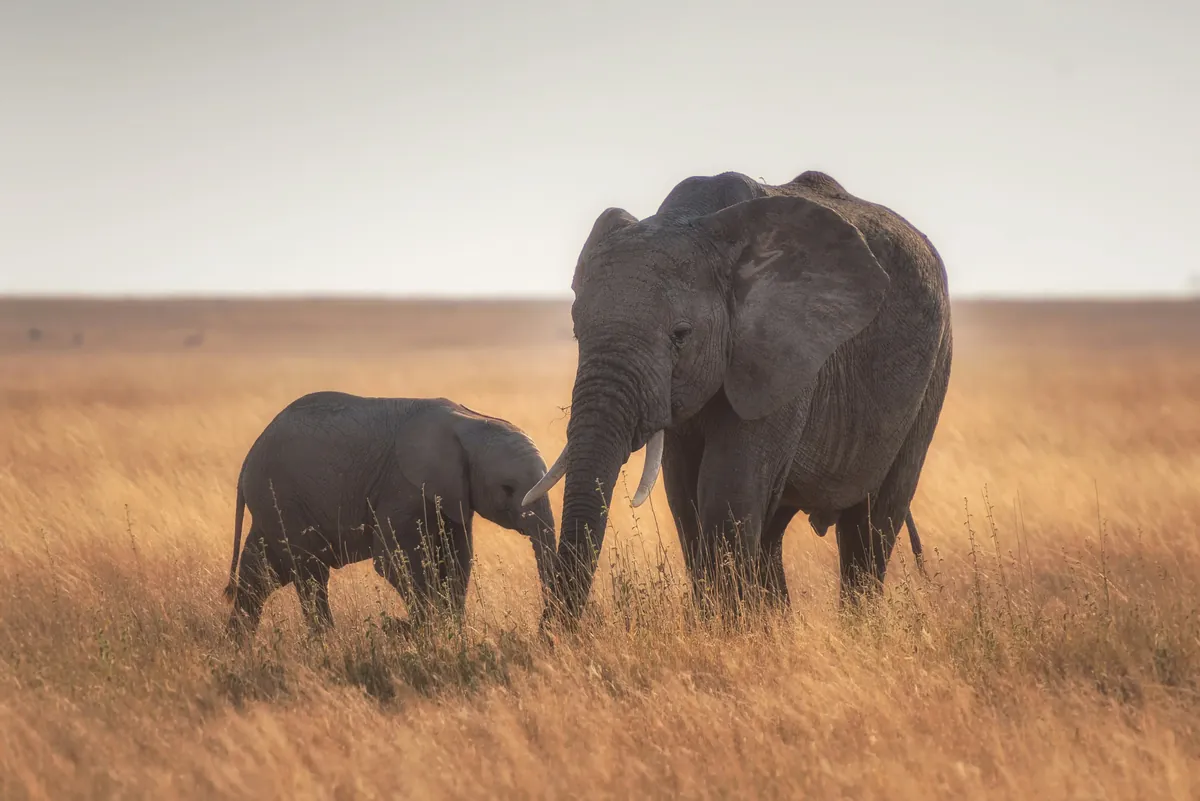
Tarangire is the starting point for most northern circuit safaris, and many travellers leave considering it the best day of the journey. The elephant herds here are large and habituated. The baobab landscape is unlike anything in the Serengeti. During dry season, the Tarangire River draws wildlife in concentrations that rival any park in Africa. It is less visited than the Serengeti and rewards those who give it time.
Explore Tarangire →
Compact and diverse. Lake Manyara sits beneath the Great Rift Valley escarpment and includes groundwater forest, open floodplain, and alkaline lake shore in a very small area. It is known for tree-climbing lions, flamingos, and exceptional birdlife. It works well as a half-day stop between Tarangire and Ngorongoro, or as a dedicated overnight for those who want a different atmosphere.
Explore Lake Manyara →
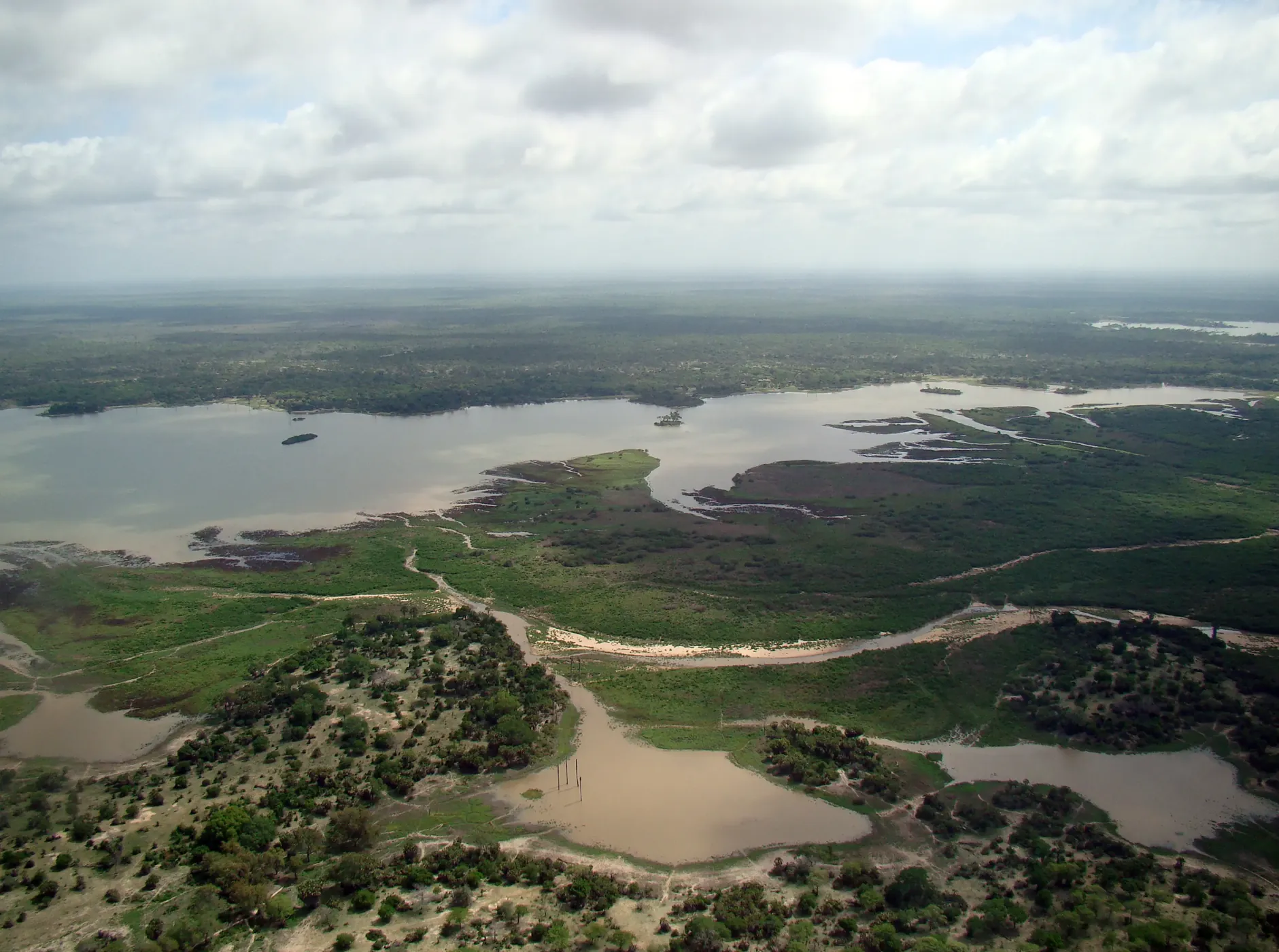
Africa's largest national park by area. Nyerere (formerly Selous Game Reserve) is the only Tanzanian park where boat safaris are regularly offered, making it one of the most distinctive experiences on the continent. The Rufiji River supports hippos, crocodiles, and an extraordinary density of waterbirds. Wild dog sightings are common. Fly-in is the standard access method and the right choice.
Explore Nyerere →
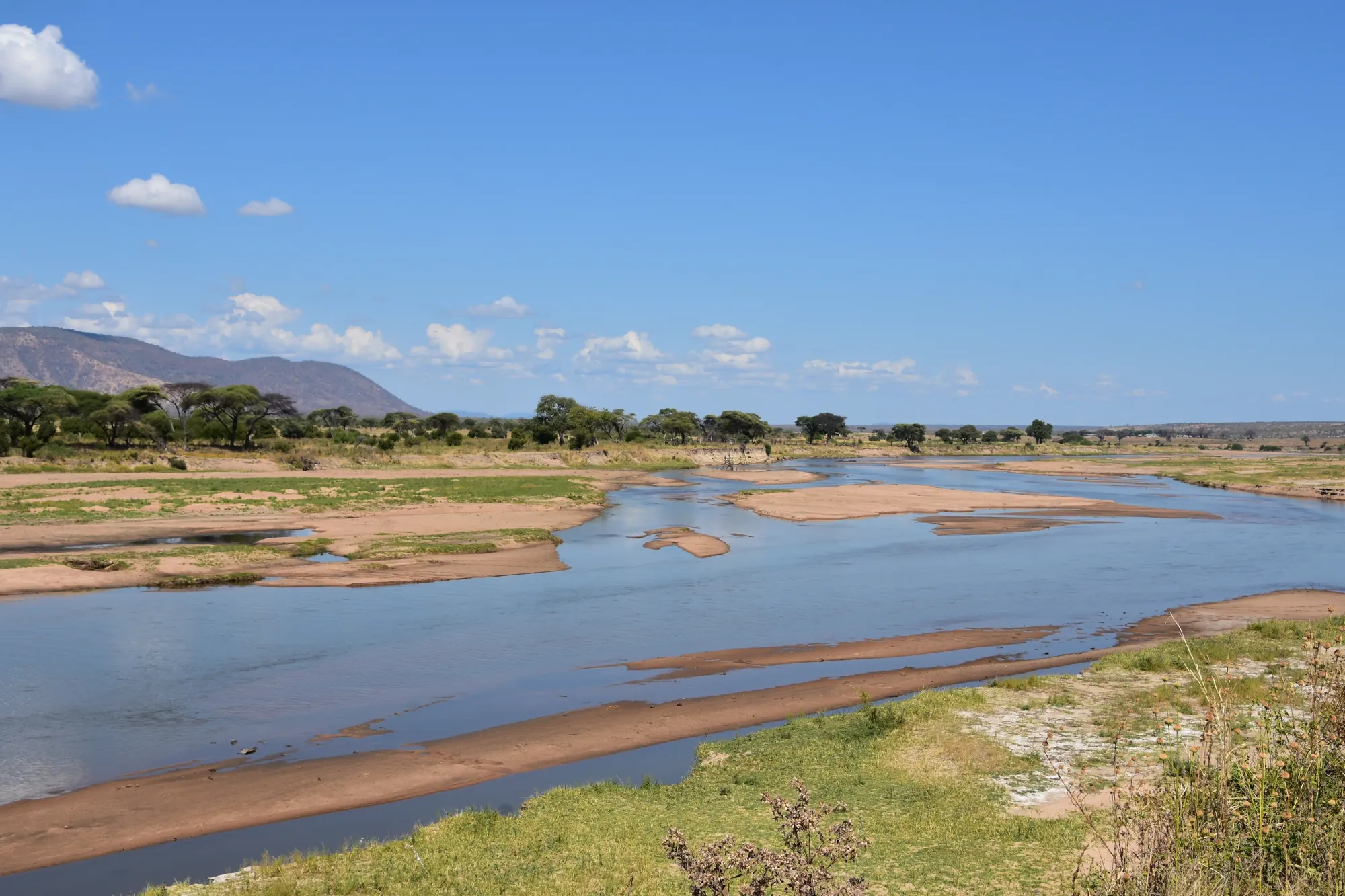
Tanzania's second largest park and one of its least visited. The Great Ruaha River exposes wide sandbanks in dry season, attracting some of the largest elephant concentrations in Africa. The lion prides here are unusually large. Ancient baobabs and granite kopjes create a landscape that feels older and more rugged than the northern parks. Ruaha is for the traveller who wants the real thing with almost no one else around.
Explore Ruaha →Tanzania does not have one universally correct travel window. The right time depends on which parks you want to visit, what wildlife you most want to see, and how you feel about crowds and prices. Here is the honest breakdown.
The most popular travel window. Vegetation thins out, animals concentrate around rivers and waterholes, and the weather is stable and dry. Visibility for game viewing is at its clearest. This is also peak Mara River crossing season (August through October), which draws the largest number of safari visitors to the northern Serengeti. Prices and occupancy are highest in July, August, and September. Book camps at least six months ahead for peak crossing camps.
Undervalued by many travelers. The landscape becomes lush, dramatic skies build over the plains, and park occupancy drops significantly. Rates at most camps fall. Birdwatching reaches its peak. January and February bring the wildebeest calving season in the southern Serengeti, which is one of the most extraordinary wildlife spectacles in Africa and is largely overlooked by the crossing-focused crowd. The exception is the long rains in April and May, when some roads become difficult and a few camps close.
"November through January is our favourite window to bring guests who want something real. The parks are uncrowded, the light is extraordinary, and the southern Serengeti calving is a spectacle most visitors have never heard of."
The right safari is shaped by who you are travelling with, how long you have, how you want the days to feel, and what experience you are there to have. These are the main styles we offer.
Tarangire, Ngorongoro, and Serengeti in six to ten days. The classic northern Tanzania safari is right for first-time visitors, those with limited time, and anyone who wants to see the breadth of what Tanzania offers. Three parks, three completely different characters. Private vehicle throughout.
View Classic Safari →For travelers with a specific wildlife event in mind. Calving season in January and February, river crossings in August through October. Camp positioning is planned around where the migration is likely to be when you visit. We do not guess crossing dates. We position you correctly for the right window.
View Migration Safaris →Private game drives, fly-in transfers between parks, and accommodation at the best-positioned camps in each region. For travellers who want the full experience without compromise. Fewer nights, more quality, no shared vehicles, no rushed transitions.
View Luxury Safaris →Flexible pacing, family-friendly lodges with activities for children, and experienced guides who know how to read a game drive for younger passengers. We recommend the right parks and camps for the age range of your family. Not every lodge is suitable for children and we will tell you which are.
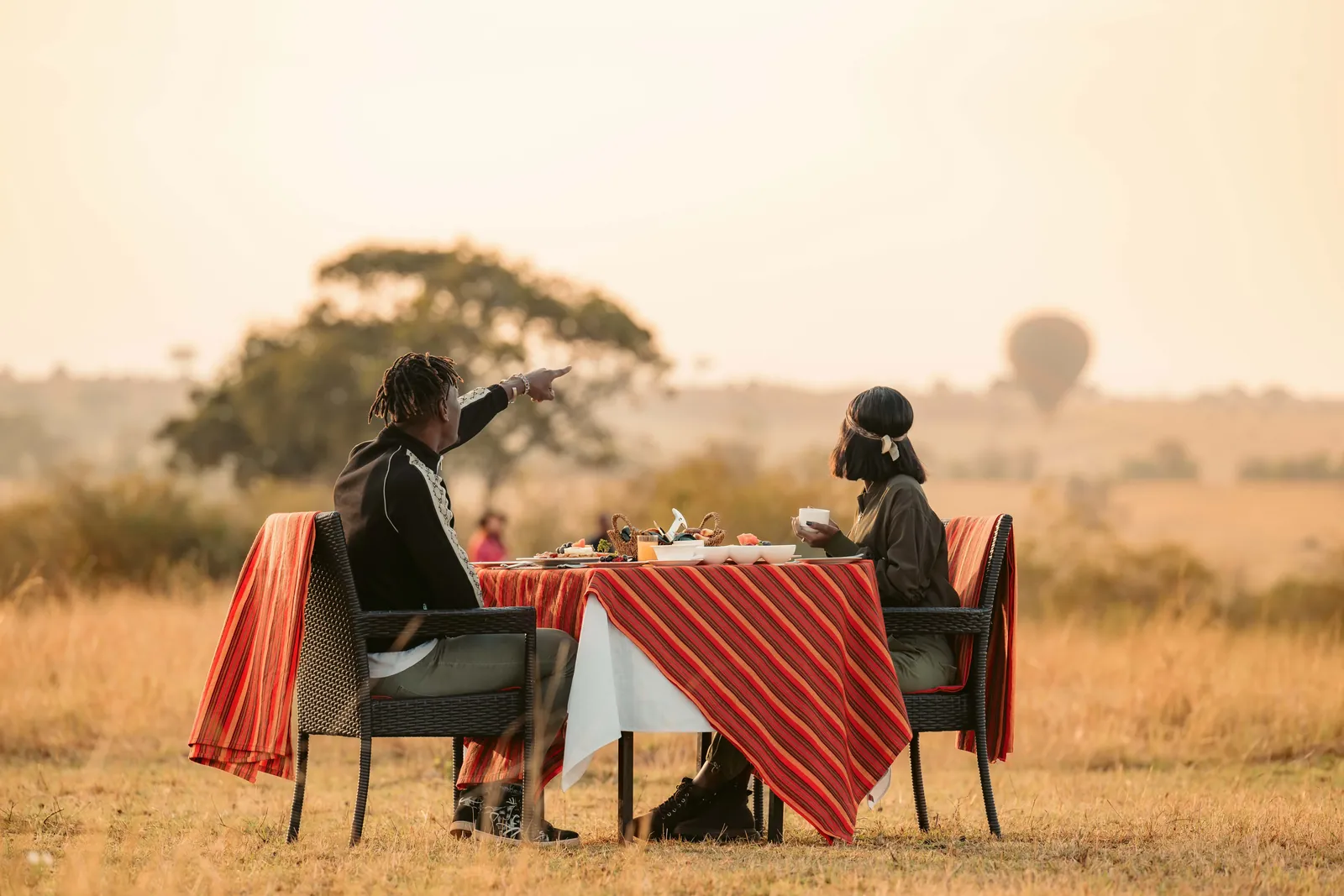
View Family Safaris →Private vehicles, atmospheric lodges, and small details like sundowner setup and table placement make a material difference on a honeymoon. We build around privacy and setting as much as wildlife. Many of our honeymoon itineraries combine safari with Zanzibar, ending with ocean air, slower mornings, and time to stop moving.
View Honeymoon Safaris →For returning visitors or those who specifically want to avoid the northern circuit crowds. Nyerere offers boat safaris on the Rufiji River. Ruaha offers wild dogs, large lion prides, and vast space with almost no other vehicles. Fly-in only. Genuinely remote. Unlike anything in the north.
Explore Southern Parks →The quality of your safari vehicle matters more than most travelers expect. Hours on a rough park track feel very different in a well-fitted private Land Cruiser than in an older shared vehicle. Here is what you should expect and what we use on every journey.
Tanzania's park roads range from well-graded murram to heavily corrugated tracks after rainfall. A good vehicle with high clearance and an experienced driver handles this without drama. We check every vehicle before each journey.
We operate private vehicles exclusively. You are never combined with other travellers. The day's pacing, sighting stops, and game drive rhythm are entirely yours from departure to return.
Every passenger has a window seat. Charging points are available throughout the day for cameras, phones, and laptops. Cold drinks and snacks are kept in the cool box on long game drives.
The pop-up roof hatch is the only way to photograph freely in the field. No glass, no frame, no shared angle. Private access also means you can stay at a sighting as long as the moment warrants.
Our guides are from the regions we operate in. Wildlife knowledge, track reading, and relationships with other guides at sightings are built over years. That local depth changes what you see.
Safari packing is not complicated, but getting a few things wrong creates real inconvenience. The most important rule: soft-sided luggage only. Most light aircraft used for park transfers set a 15 kg hold limit with 5 kg cabin allowance. Hard suitcases are not accepted on any scheduled bush flight.
Most bush planes connecting parks in northern and southern Tanzania allow 15 kg in the hold and 5 kg in the cabin. Overweight bags may be left behind at the airstrip. We confirm weight allowances with every itinerary that includes a light aircraft transfer.
Tanzania is not a cheap safari destination and we would rather tell you that clearly than let you discover it after an inquiry. The main cost drivers are park fees, accommodation tier, and whether you fly between parks or drive. Here is a framework for setting realistic expectations.
| Safari Category | Per Person Per Day (USD) | What This Covers |
|---|---|---|
| Mid-Range Private | From USD 350 | Private vehicle, private guide, comfortable tented camps, park fees, all meals at camp |
| Luxury Private | From USD 650 | Premium lodge or permanent tented camp, fly-in options, private vehicle, exclusive game drives |
| Ultra-Luxury | From USD 1,200+ | Exclusive-use camps, mobile camps during migration, private bush dinners, personalized hosting |
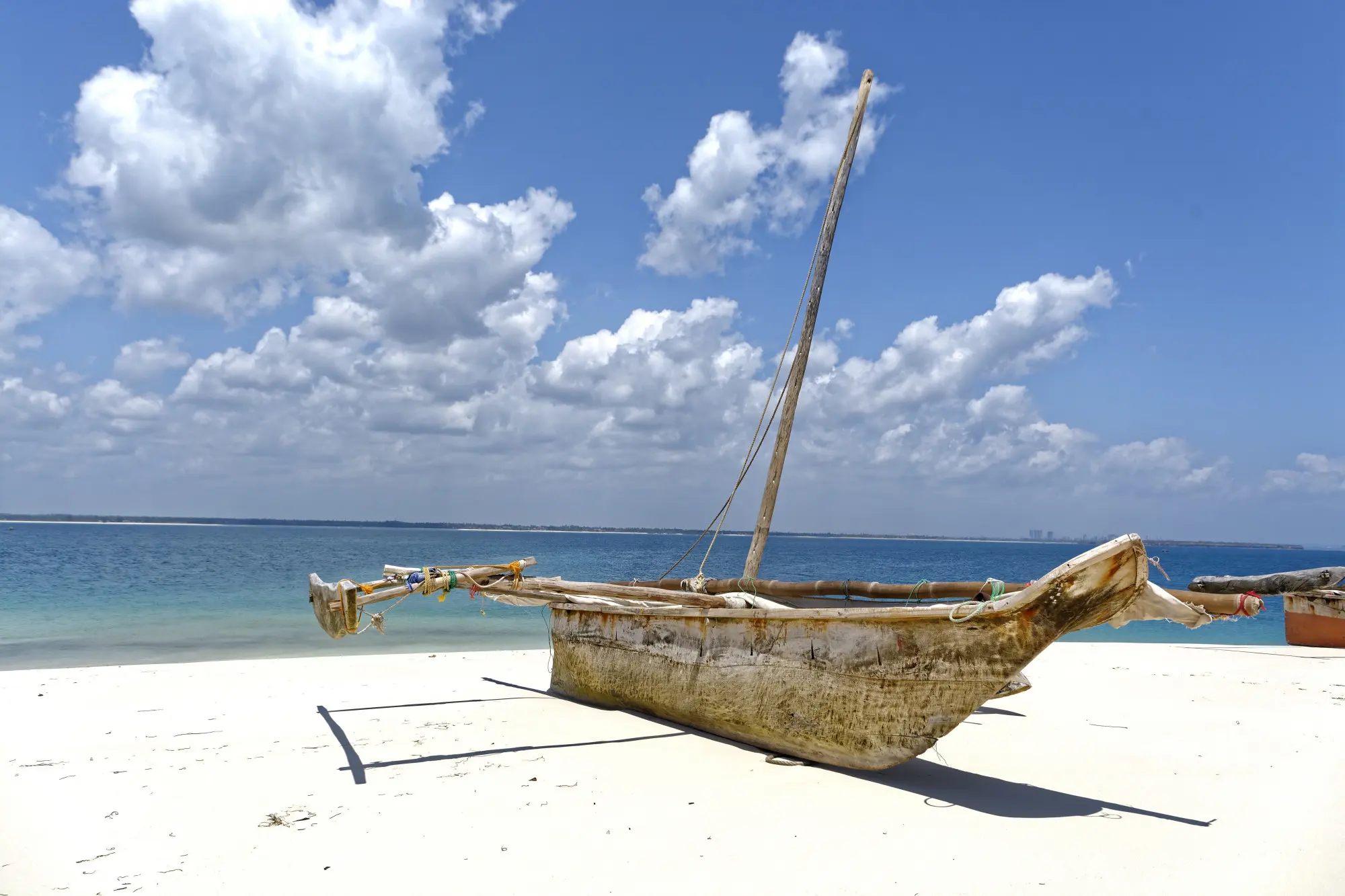
Adding Zanzibar to a Tanzania safari is one of the most natural journeys in East Africa. After several days of early departures, game drives, and constant movement across the northern circuit, Zanzibar shifts the pace toward ocean air, slower mornings, and the pleasure of doing very little in a beautiful place.
We handle all logistics: the domestic flight from the nearest airstrip, the transfer to your Zanzibar hotel, and the connection home if needed. The typical extension is three to five nights on Zanzibar. The north coast offers calmer water and a more relaxed atmosphere. The east coast suits those who want quieter beaches and a more local feel.
Kilimanjaro and Zanzibar also combine well for those who want to add a summit to the journey. We plan those combinations regularly.
View Safari & Zanzibar Itinerary
A safari is not a passive experience. The choices you make about your operator, your guides, and your conduct in the parks have a real effect on the places and the people you visit.
Answers to questions we hear most often from travelers planning a first or returning Tanzania safari.
June through October offers the easiest game viewing and the Mara River crossings. January and February are excellent for calving season in the southern Serengeti. Green season from November through May brings quieter parks, lower rates, and exceptional birdwatching. There is no wrong month to visit Tanzania. There are just different experiences on offer.
Six to ten days creates a comfortable northern circuit. That allows two nights in Tarangire, one in Ngorongoro, and two or three in the Serengeti without feeling rushed. If you want to add Zanzibar, plan for twelve to fourteen days total. Kilimanjaro adds seven to nine days depending on the route.
A private mid-range safari typically costs from USD 350 per person per day including accommodation, guide, vehicle, and park fees. Luxury safaris start at around USD 650. Costs rise with accommodation quality, fly-in transfers, and peak season dates. We provide a full cost breakdown with every proposal.
Tanzania is one of East Africa's most stable destinations. Safari regions are consistently safe for visitors. We provide experienced local guides, reliable vehicles, and supported logistics throughout. We have never had a guest security incident in our history of operations.
A shared safari combines you with other travellers in one vehicle. A private safari gives you your own vehicle and guide for the whole journey. We operate private safaris exclusively. The difference in experience is significant: you control the pace, the stops, the timing, and the days. There is no compromise with strangers.
Yes, and both are common combinations. Safari plus Zanzibar takes twelve to fourteen days and connects by short domestic flight. Kilimanjaro plus safari takes sixteen to nineteen days depending on the climb route and park circuit. We plan these combinations regularly and handle all the logistical connections.
These are real, departure-ready itineraries. Each one is a starting point. Every journey we operate is tailored to the guest, the dates, and the experience they want.
Safari
Migration
Safari + Beach
Whether you know exactly what you want or are still working out the shape of the journey, we build every safari privately from Moshi. Tell us your dates, who you are travelling with, and which parks you want to prioritise. We will send you a detailed proposal.