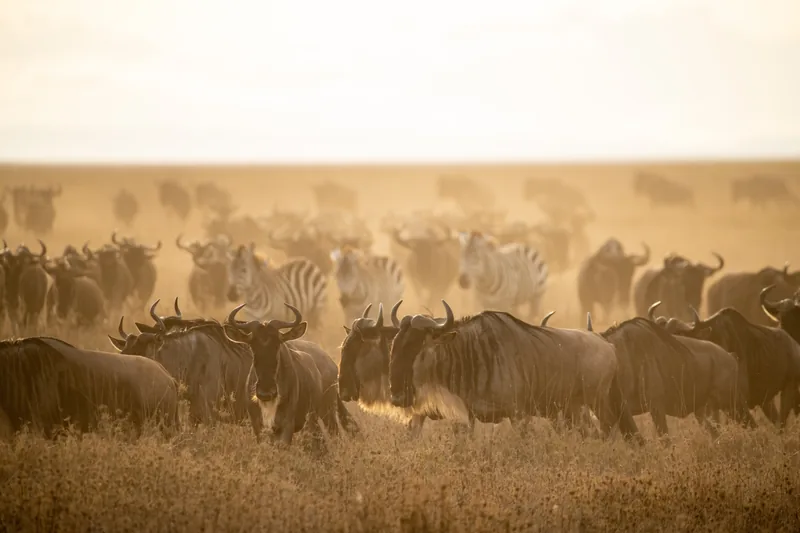
Plan Your Journey

info@amazinggallery.co.tz

WhatsApp: +255 748 691 331

Tanzania Safari Packing Guide

What to Pack
for a Tanzania Safari

Safari packing is not complicated, but a few wrong choices create genuine inconvenience across ten days in the field. This guide covers exactly what to bring, what to leave behind, and how to handle the luggage weight limits that apply on bush planes between parks.

Northern and Southern Tanzania Safari and Zanzibar Combinations Local Knowledge from Moshi
Safari Guides Safari Guide Cost Guide Packing Guide Safari Styles Best Time Plan Your Safari
The First Rule

Soft-sided luggage only. Most bush planes connecting Tanzania's parks allow 15 kg in the hold and 5 kg in the cabin. Hard suitcases and wheeled luggage are refused on scheduled light aircraft services. A duffel bag or soft holdall is the right choice, and understanding this before you buy luggage for the trip saves a problem at the airstrip.

On this page Luggage Rules Clothing Camera Gear Day Bag Health What Not to Pack Adding Zanzibar FAQ
Luggage Rules for Bush Planes

Weight Limits Come First

If your itinerary includes any domestic light aircraft transfers between parks, luggage rules apply strictly. Airlines operating bush flights in Tanzania enforce weight limits at check-in. Overweight bags may be left at the airstrip or charged a significant excess fee.

Hold Allowance
15 kg

Soft-sided bags only. Main duffel or holdall with all clothing and equipment for the trip.

Cabin Allowance
5 kg

Small daypack kept with you. Camera gear, valuables, medications, items needed on game drives.

Bag Type Required
Soft-sided only

Hard suitcases and wheeled luggage are not accepted on any scheduled light aircraft service in Tanzania. A duffel bag or soft holdall is the only correct choice if your itinerary includes any flights.

Drive-Only Itineraries

If your itinerary uses road transfers only, standard luggage applies. Soft-sided bags are still far more practical in safari vehicles where luggage is loaded into the back of the Land Cruiser at each camp stop.

What to Wear

Safari Clothing Guide

The range of conditions across a Tanzania safari is wider than most people expect. A morning game drive at Ngorongoro starts near freezing. An afternoon in the Serengeti is genuinely hot. Layering solves both, and neutral colours address both the tsetse fly issue and the photography requirement.
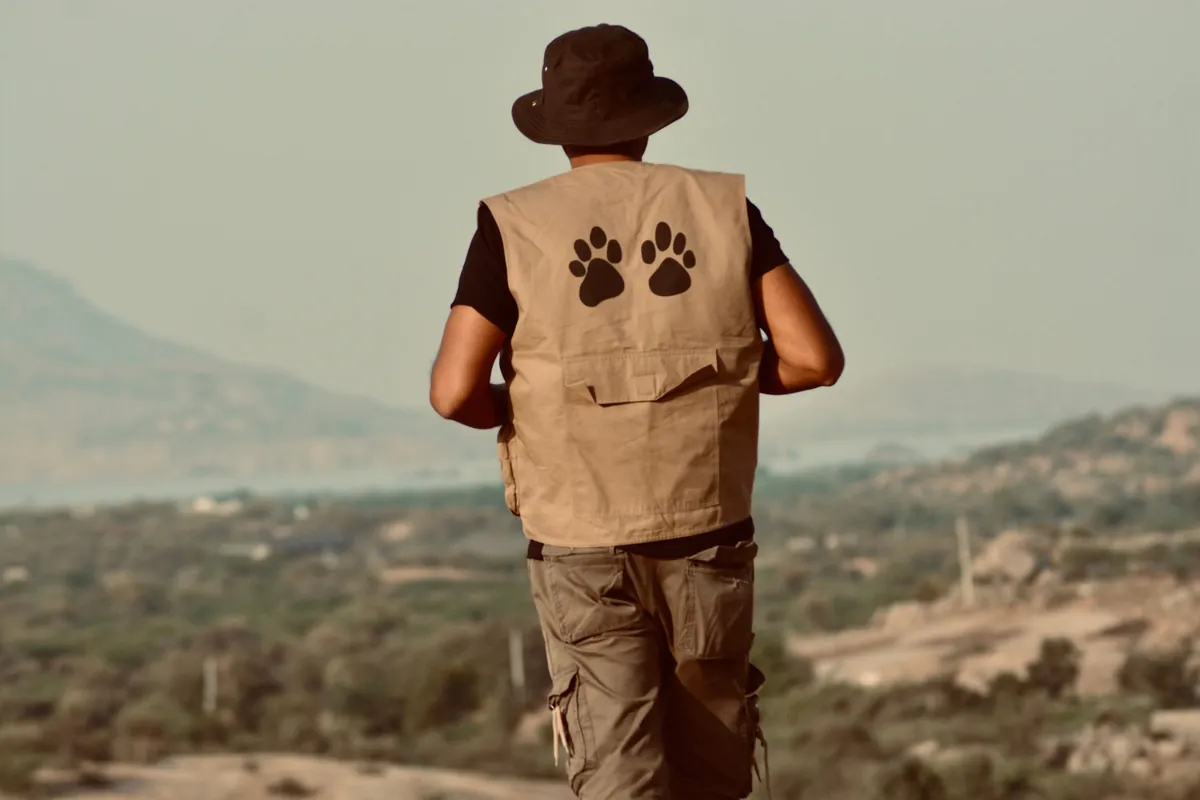
Safari clothing layers for Tanzania game drives
Colours
Neutral tones throughout
  • Khaki, tan, olive, grey, and sand. These are the correct colours for safari for practical and photographic reasons.
  • Avoid bright blue and white. Both attract tsetse flies in certain areas of Tanzania.
  • Avoid bright patterns and fluorescent colours. They create an obvious presence unhelpful for wildlife viewing.
  • Black and dark navy absorb more heat in direct equatorial sun and are better avoided on long game drives.
Core Clothing
For the full safari duration
  • Three to four long-sleeved lightweight shirts. Long sleeves provide sun protection on open game drives and reduce insect exposure.
  • Two to three pairs of lightweight trekking trousers. Convertible zip-off trousers are practical for the temperature range.
  • One smart casual outfit for lodge evenings.
  • Underwear and socks for the number of days plus one spare set. Laundry service is available at most camps.
Layering
For cold mornings and high altitude
  • Fleece mid-layer or light down jacket. Non-negotiable for Ngorongoro morning drives, which start at altitude in genuine cold.
  • Light waterproof or windproof shell for open vehicle drives and afternoon showers in green season.
  • Scarf or buff for wind protection during open vehicle drives in cooler conditions.
Footwear
Comfortable and already broken in
  • Light hiking boots or comfortable walking shoes that are already broken in. New footwear on a multi-day safari creates blisters on walking activities.
  • Sandals or camp shoes for evenings at lodge. Feet need rest after a full day in boots.
  • Closed footwear always required on walking safari activities. No sandals in the bush.
Sun Protection
At the equator, exposure is serious
  • Wide-brimmed hat that stays on in wind. A crushable brimmed hat packs flat and protects better than a baseball cap on walking activities.
  • Sunscreen SPF 50 minimum for face, neck, and forearms. The equatorial sun through an open vehicle roof is intense even on cool days.
  • UV-rated sunglasses for game drives where glare off open plains and water is significant.
What Not to Bring
Items we see guests regret packing
  • Hard suitcases or wheeled luggage. Not accepted on bush planes, impractical in vehicles.
  • Cotton base layers. Cotton loses warmth when wet. Merino or synthetic fabrics work far better at altitude.
  • Excessive formal clothing. Smart casual is the highest dress standard at any camp we use.
  • Full-size toiletry bottles. Most camps provide basics. Travel decants save significant bag weight.
  • Single-use plastic bottles. We provide filtered water refills at camp and in the vehicle throughout.
Camera and Photography

What to Bring for Safari Photography

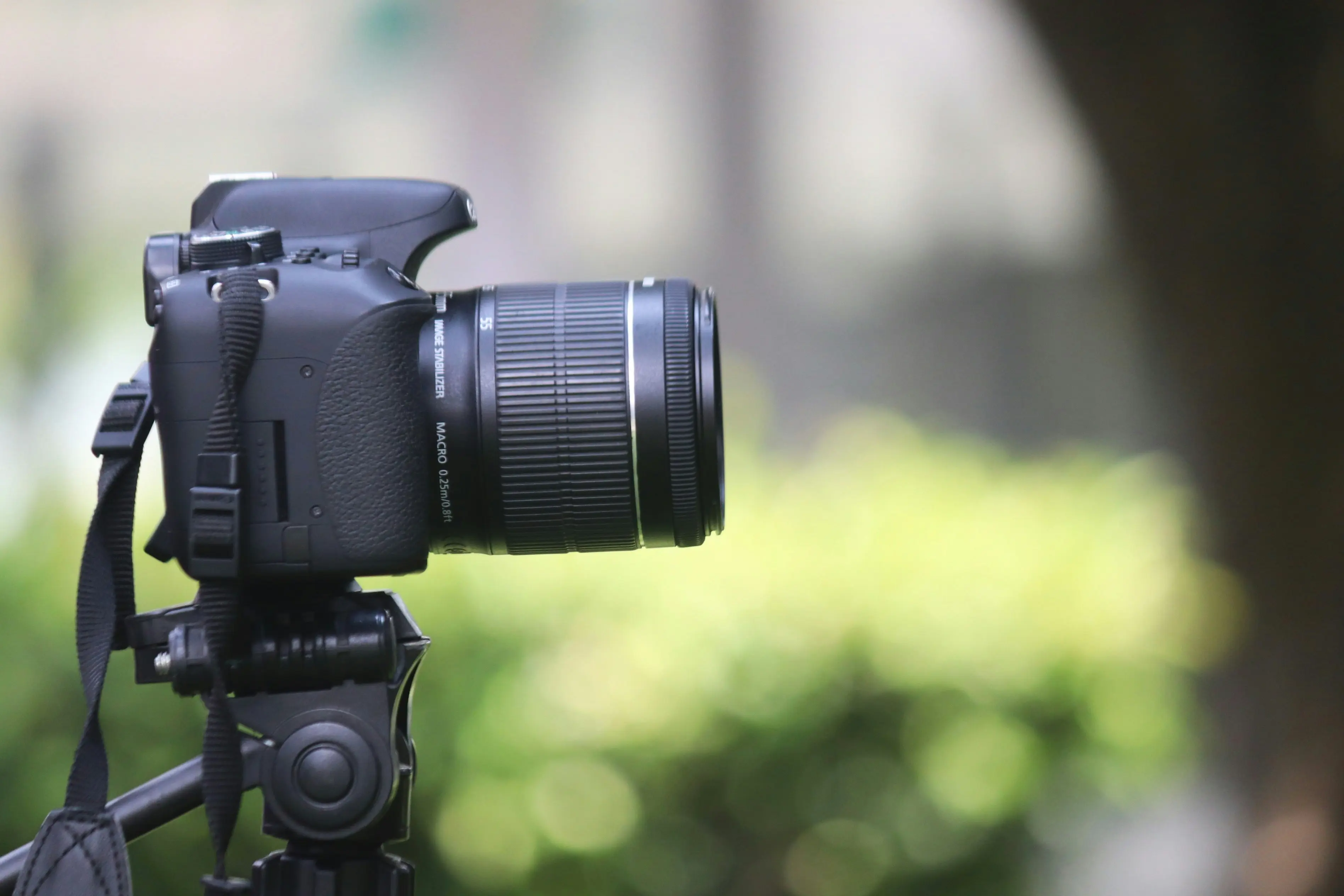
A Tanzania safari offers photography opportunities that are genuinely difficult to replicate elsewhere. The quality of equipment matters less than being prepared for the conditions: dust, vibration, long lenses, and limited power at remote bush camps.

Zoom range:
A 100 to 400 mm lens or equivalent covers most game drive situations. You rarely need longer when a private guide positions the vehicle well.
Memory cards:
Bring more than you expect to need. A full day in the Serengeti during migration can fill a card. Buying in Tanzania is expensive and availability inconsistent.
Spare batteries:
Most camps charge via solar or generator and power is limited overnight. Bring at least two batteries per body and a multi-slot charger.
Dust protection:
Park tracks generate significant dust. Carry a sealed camera bag or dry bag. Sensor dust is a real problem without basic protection.
Beanbag:
A beanbag on the vehicle window frame provides stable telephoto support without the weight of a tripod. Fill it with rice at your destination to keep luggage weight down on the flight out.
Binoculars:
One pair per person. 8x42 is the standard safari specification. Binoculars separate good game viewing from great game viewing.
Camera equipment for safari photography in Tanzania
From the Field

"The guests who get the best photographs are rarely the ones with the biggest equipment. They are the ones who are ready when the moment happens, with a charged battery, an empty card, and a guide who has positioned the vehicle correctly. Preparation beats gear every time."

Your Game Drive Day Bag

What to Keep With You on Every Drive

Your day bag travels in the vehicle. It should be light enough not to become a burden over a six-hour game drive and complete enough to cover everything you need. These are the essentials.

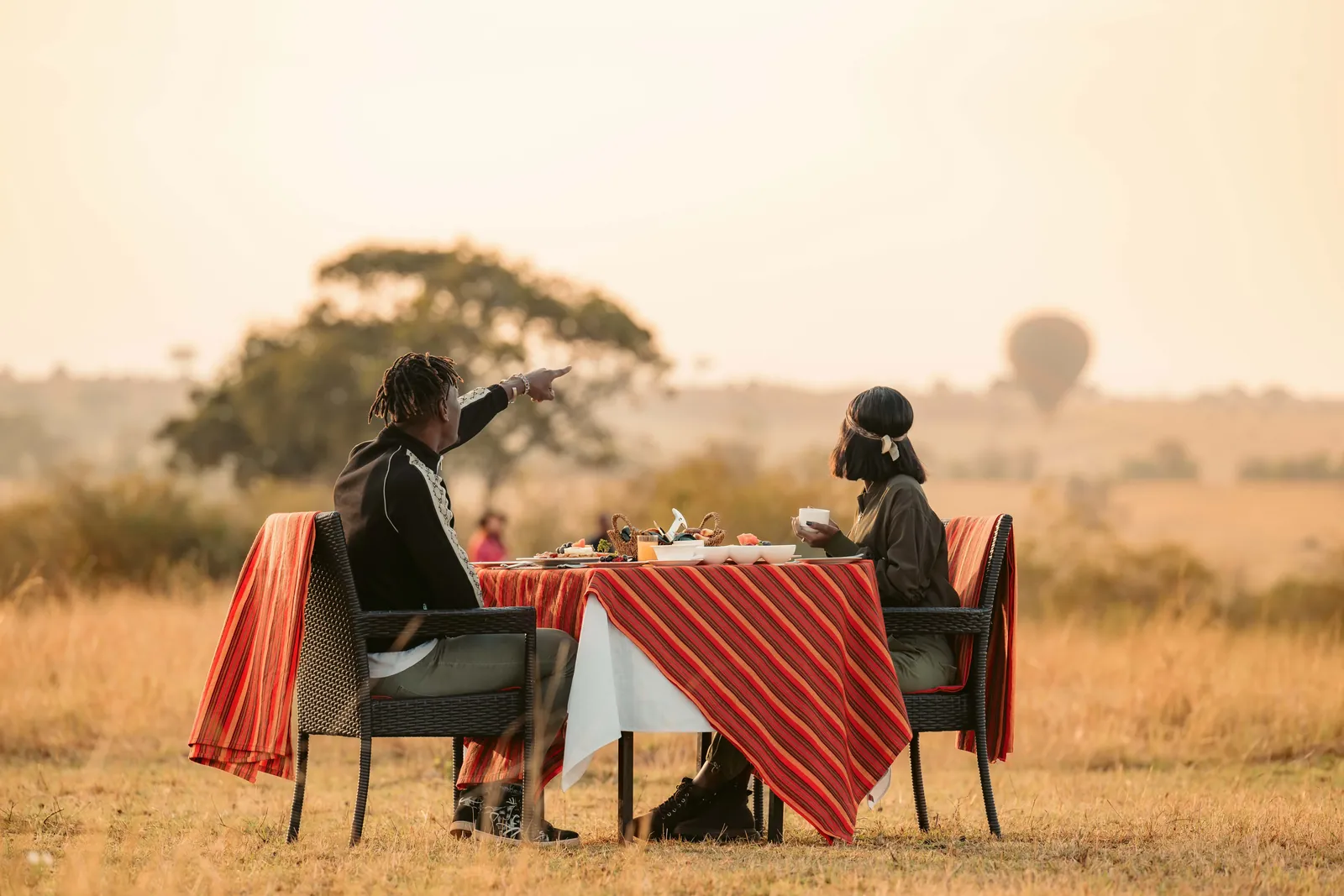
Game drive day bag and gear for Tanzania safari
Water
Minimum one litre, ideally two

Reusable water bottle only. We provide filtered water refills at camp and at the vehicle. Single-use plastic bottles are not needed and create waste in national park areas where disposal is challenging. Electrolyte sachets are useful for hot dry-season drives.

Snacks
For pre-dawn departures and long drives

Energy bars, nuts, dried fruit, and chocolate for early morning departures before bush breakfast is served. Our vehicles include a cool box with cold drinks and light snacks. Your own additions supplement this.

Personal Comfort
Small items that matter over a long day

Sunscreen and lip balm for reapplication during drives. Insect repellent for dawn and dusk when mosquito activity peaks. Personal medications including antihistamine, pain relief, and any prescription items carried separately from your main luggage.

Camera and Optics
Ready to use, not packed away

Camera with charged battery and empty card, binoculars, and lens cloth for dust cleaning. These should be immediately accessible in the vehicle, not in the main bag stored in the back. Speed of access determines whether you get the shot.

Health Preparation

What to Prepare Before You Travel

Most health preparation for a Tanzania safari happens before departure rather than in the field. These are the items that matter and the actions that should be completed before you board your international flight.

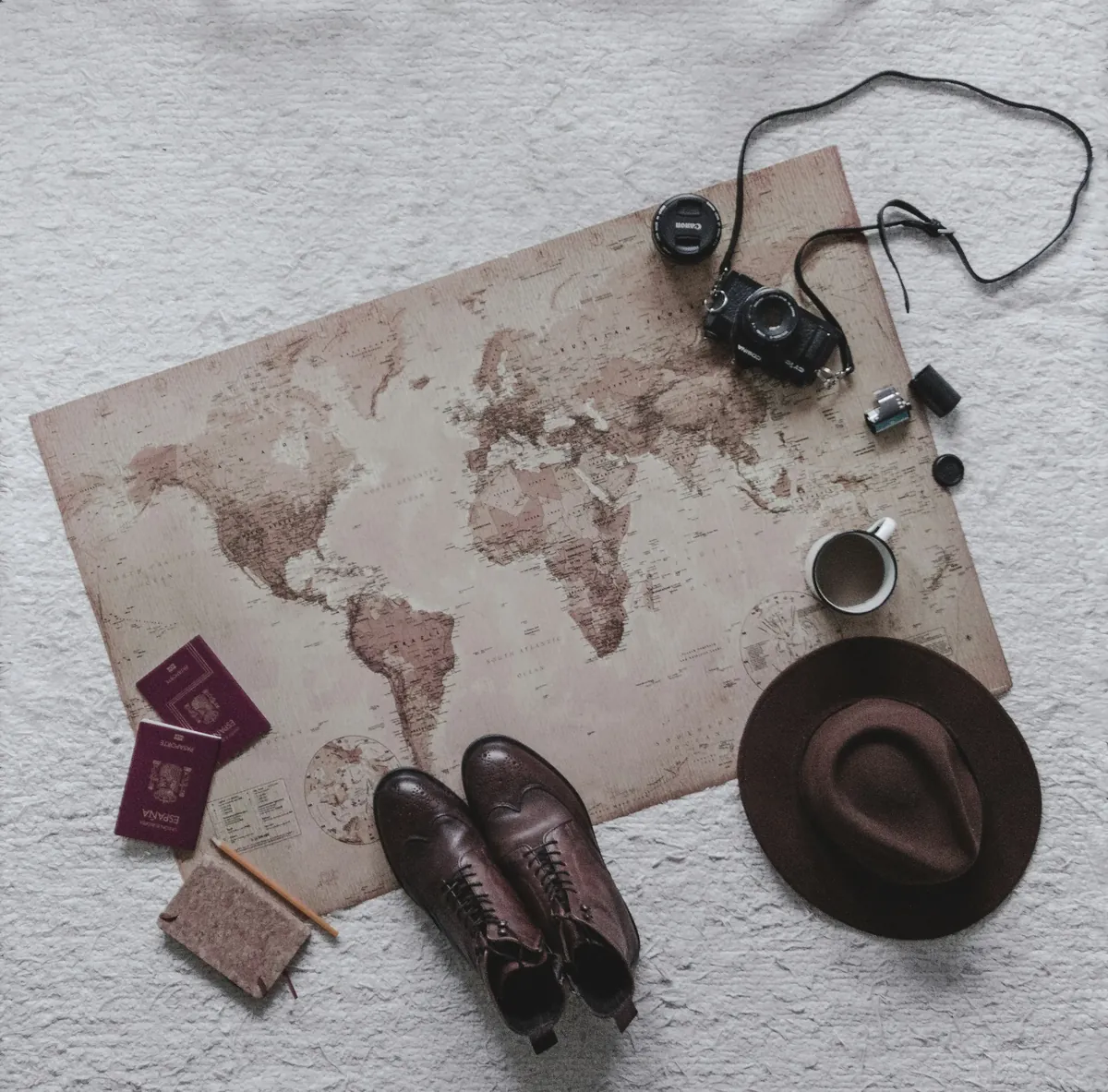
Essential travel documents and health preparations for Tanzania safari

Before You Travel

Malaria prophylaxis.
Consult your doctor or a travel medicine clinic before travel. Malaria is present in most Tanzania safari areas. The right medication depends on your health history and travel dates.
Vaccinations.
Yellow fever vaccination is required if entering Tanzania from a yellow fever endemic country. Hepatitis A, Typhoid, and Tetanus are generally recommended. Confirm with your doctor before travel.
Travel insurance.
Comprehensive policy with medical evacuation cover. Standard travel insurance often excludes medical evacuation, which can cost USD 30,000 or more in a remote safari area.
Dental check.
Any dental work should be completed before travel. Remote safari areas have no dental facilities and long flights with an untreated dental problem are extremely unpleasant.

Pack in Your Bag

Insect repellent.
DEET-based, minimum 30 percent. Apply at dawn and dusk when mosquito activity peaks. A spray or pump bottle is easier to apply on a game drive than a lotion.
First aid kit.
Blister treatment is the most used item. Add antihistamine for insect reactions, ibuprofen, paracetamol, and a digital thermometer. Keep it small and practical.
Prescription medications.
In original packaging with enough supply for delays. Include a doctor's letter if carrying anything that might attract customs attention at any border.
Hand sanitiser.
Useful at bush picnic stops and before meals in the field when running water is not immediately available.
What Not to Pack

Leave These Behind

Overpacking is the most common mistake on a first safari. Everything in the bag has to come out at every camp, fit through vehicle doors, and stay under aircraft weight limits. These are the items we most often see guests regret bringing.

Hard suitcases and wheeled luggage

Not accepted on any scheduled light aircraft. Awkward in safari vehicles. Impractical at tented camps. A quality duffel bag handles the entire trip more effectively.

Cotton base layers

Cotton absorbs moisture and loses warmth when wet. On a cold Ngorongoro morning after an unexpected shower, a wet cotton layer is a miserable thing. Merino wool or synthetic fabrics work far better.

Heavy camera tripods

Impractical in a game drive vehicle and adds significant weight. A beanbag on the window frame provides excellent telephoto support. For videographers, a small fluid head travel tripod is manageable if weight allows.

Full-size toiletry bottles

Most camps provide soap, shampoo, and basic toiletries. Carrying full-size bottles for seven days wastes luggage weight better allocated to camera batteries or an extra fleece layer.

Single-use plastic bottles

We provide filtered water refills at camp and in the vehicle throughout. Single-use plastic creates waste in national park areas where disposal is difficult. A reusable bottle is the right choice and reduces pack weight over ten days.
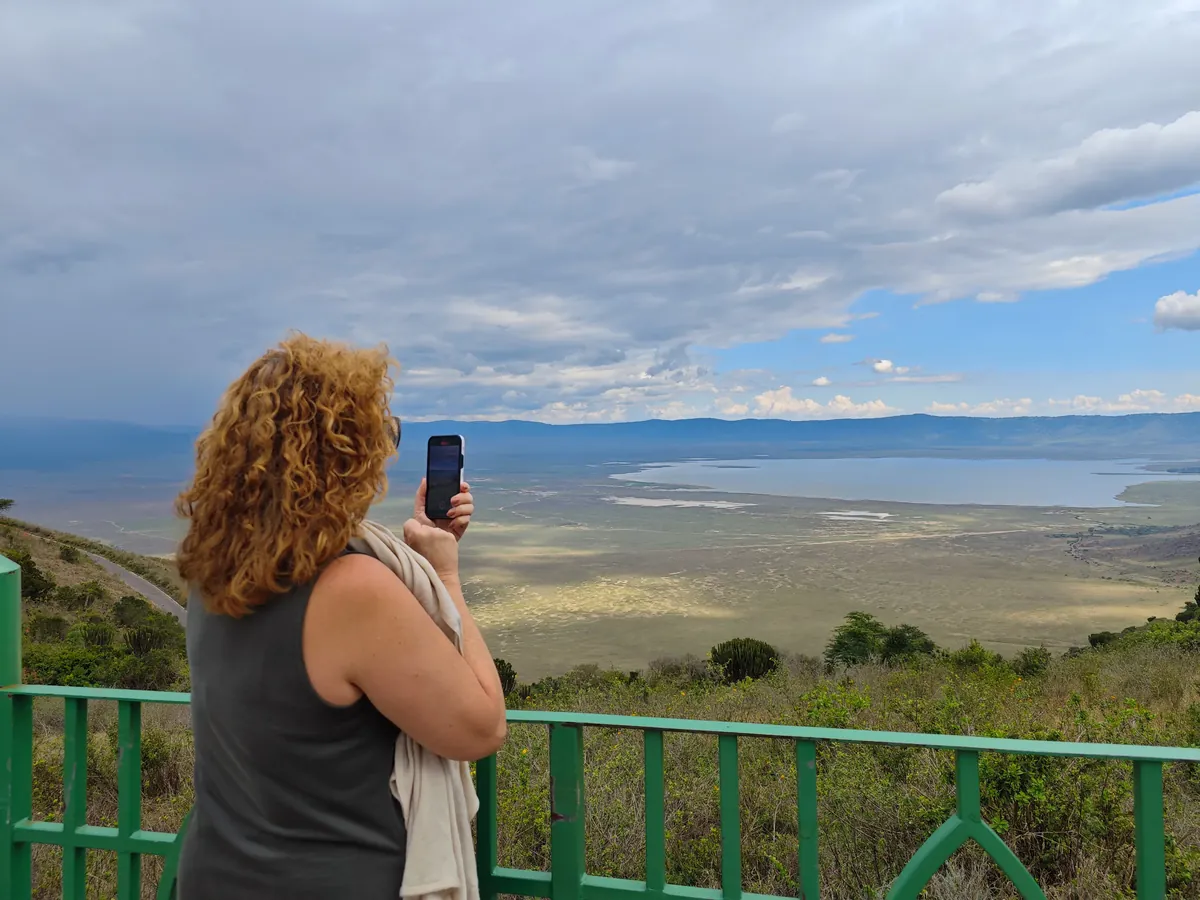
Excessive formal clothing

Smart casual is the highest dress standard at any camp we use. Three formal outfits waste space and weight better used for camera gear or an extra layer. One smart casual outfit is genuinely sufficient for the entire safari.

Adding Zanzibar

What Changes if You Add Zanzibar

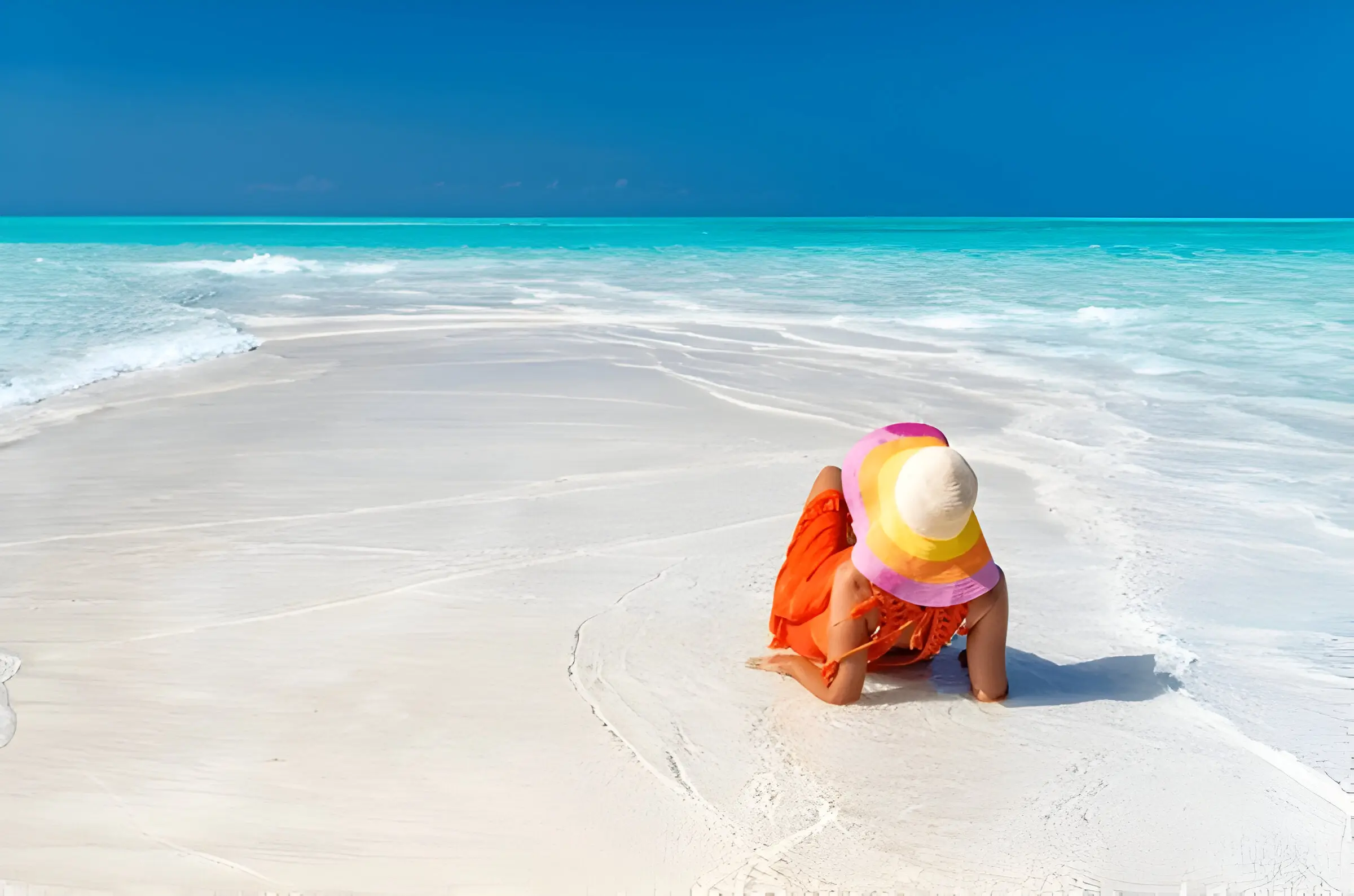
A safari and Zanzibar combination requires two distinct wardrobe registers: the neutral, layered, practical clothing of the bush, and the lightweight beach clothing of the Indian Ocean coast. They fit in the same bag if you pack to a checklist and avoid duplicating items.

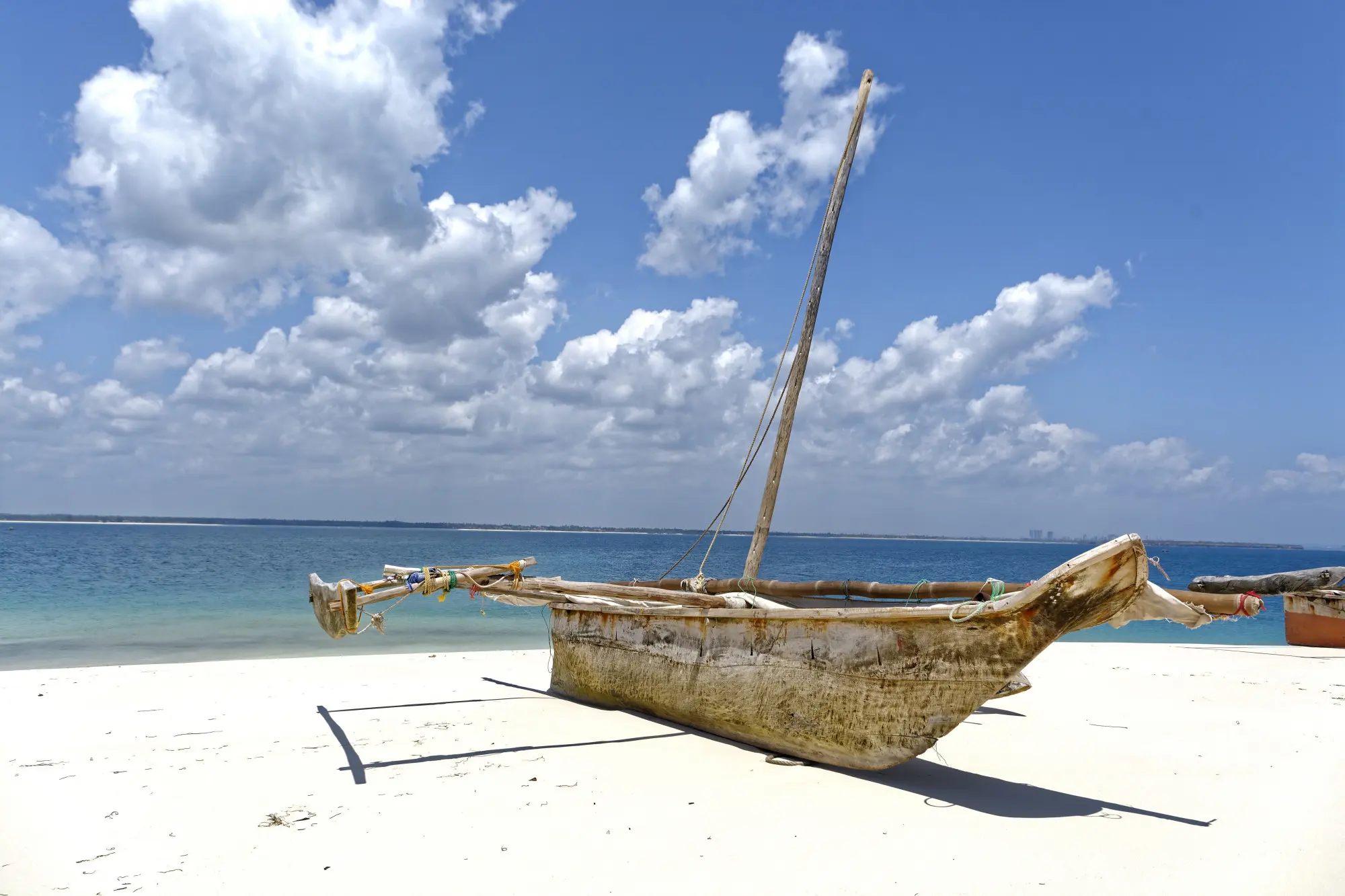
Additional items for Zanzibar

  • Lightweight beach clothing: swimwear, linen shirts or dresses, casual shorts, and sandals. None of this is appropriate for the bush, so it stays packed during the safari portion.
  • Reef-safe sunscreen. Standard sunscreen compounds containing oxybenzone damage coral reefs. Zanzibar's reef is a genuine conservation asset and reef-safe products are available but better sourced before travel.
  • Modest clothing for Stone Town. Zanzibar is predominantly Muslim. Covered shoulders and knees are appropriate for walking around Stone Town and visiting local areas outside the hotel beach zone.
  • A light dry bag or waterproof phone case for beach activities, dhow excursions, and snorkelling.
Beach bag and packing essentials for Zanzibar after safari
Luggage Management Tip

Keep safari clothing and beach clothing in separate packing cubes. When you arrive on Zanzibar, the bush clothes move to the bottom of the bag without unpacking everything, and the beach wardrobe is immediately accessible at the top.

Common Questions

Frequently Asked Questions About Packing

What are the most important colours to wear on safari?

Neutral tones: khaki, tan, olive, and grey. Blue and white attract tsetse flies in some areas of Tanzania. Bright colours create a visual disturbance at close wildlife encounters. Neutral clothing also photographs better from inside the vehicle on any sighting.

Can I do laundry during a Tanzania safari?

Yes. Most safari camps offer same-day laundry service, either included in the rate or for a small fee. On a seven-day itinerary, three changes of clothing is genuinely sufficient if laundry is available. We confirm laundry availability at each camp in pre-departure information.

Do I need my own sleeping bag?

No. All camps we use provide bedding including sheets, blankets, and pillows. Ngorongoro camps are cold at night and provide extra blankets. You do not need a sleeping bag for any camp-based safari. Sleeping bags are relevant for Kilimanjaro climbs, not park safaris.

How do I charge camera and devices at bush camps?

Most camps provide charging facilities in rooms or at a central point. Power is typically available in the evenings from generator or solar but may not run through the night. Bring a multi-slot charger and arrive at camp with batteries ready to charge overnight.

Is there a dress code at safari camps in the evenings?

No formal dress code. Smart casual is the highest standard at any camp we use. Clean, neat clothing is appropriate for evenings. The atmosphere is relaxed and focused on the wildlife experience rather than appearance.

What documents do I need to carry?

Passport with Tanzania visa stamp or e-visa approval, travel insurance certificate with emergency contact numbers, yellow fever vaccination certificate if required, and any itinerary-specific permits. We provide a full pre-departure checklist with every booking confirmation.

Explore Sample Itineraries

Journeys We Build from Moshi

Each is a real, departure-ready itinerary. Every journey is tailored to your travel dates, group, and experience goals.

Northern Tanzania Discovery 8-day safari Safari
8 Days Classic Circuit Guide price from USD 3,200
Northern Tanzania Discovery
Tarangire, Ngorongoro, and Serengeti. The full northern circuit with time to settle into each park.
Safari and Zanzibar Escape 12-day journey north coast Safari + Beach
12 Days Safari + Beach Guide price from USD 5,980
Safari & Zanzibar Escape
Six nights on the northern circuit followed by five nights on Zanzibar. The most popular packing challenge, solved.
Great Migration Safari Serengeti wildebeest movement Migration
8–10 Days Migration Focus Guide price from USD 4,200
Great Migration Safari
Timed around the wildebeest movement. Camera gear requirements are higher for this journey. We brief every guest before departure.
View All Journeys
Ready to Plan

Start Planning Your Tanzania Safari

Tell us your travel dates, the parks you want to visit, and whether you are adding Zanzibar or Kilimanjaro. We will send a full proposal including a personalised packing list specific to your itinerary.

Plan Your Safari Contact Us
Trusted by guests who have travelled with us across Tanzania
WhatsApp Us
WhatsApp Us