Plan Your Journey

info@amazinggallery.co.tz

WhatsApp: +255 748 691 331

Indian Ocean

Zanzibar
Indian Ocean

The island changes completely from Stone Town to the northern beaches to the quiet eastern coast. Three days barely touches it. Five or six lets you understand the difference between places and why each one is worth the journey.

Indian Ocean Island Stone Town UNESCO Heritage Site Safari and Beach Combinations
Island Area1,651 km²Indian Ocean, off Tanzania coast
Best SeasonJun–OctDry, calm seas, clearest water
Stone TownUNESCOWorld Heritage Site since 2000
From Dar es Salaam25 minLight aircraft. 2 hrs by fast ferry.
Ocean Temperature25–28°CWarm year-round
The Island

What Zanzibar Actually Feels Like

Zanzibar is not a single place. Stone Town is a walking city of narrow streets, carved doors, and the smell of the sea. The north coast is a swimming beach. The east coast is a tidal flat and a kite-surfing hub. The interior is a spice farm and a forest reserve. Most travelers choose one and miss the others. The right way to visit is to choose deliberately, based on what you want to experience.

"Everything that was open and fast and vast is now narrow and layered and slow."

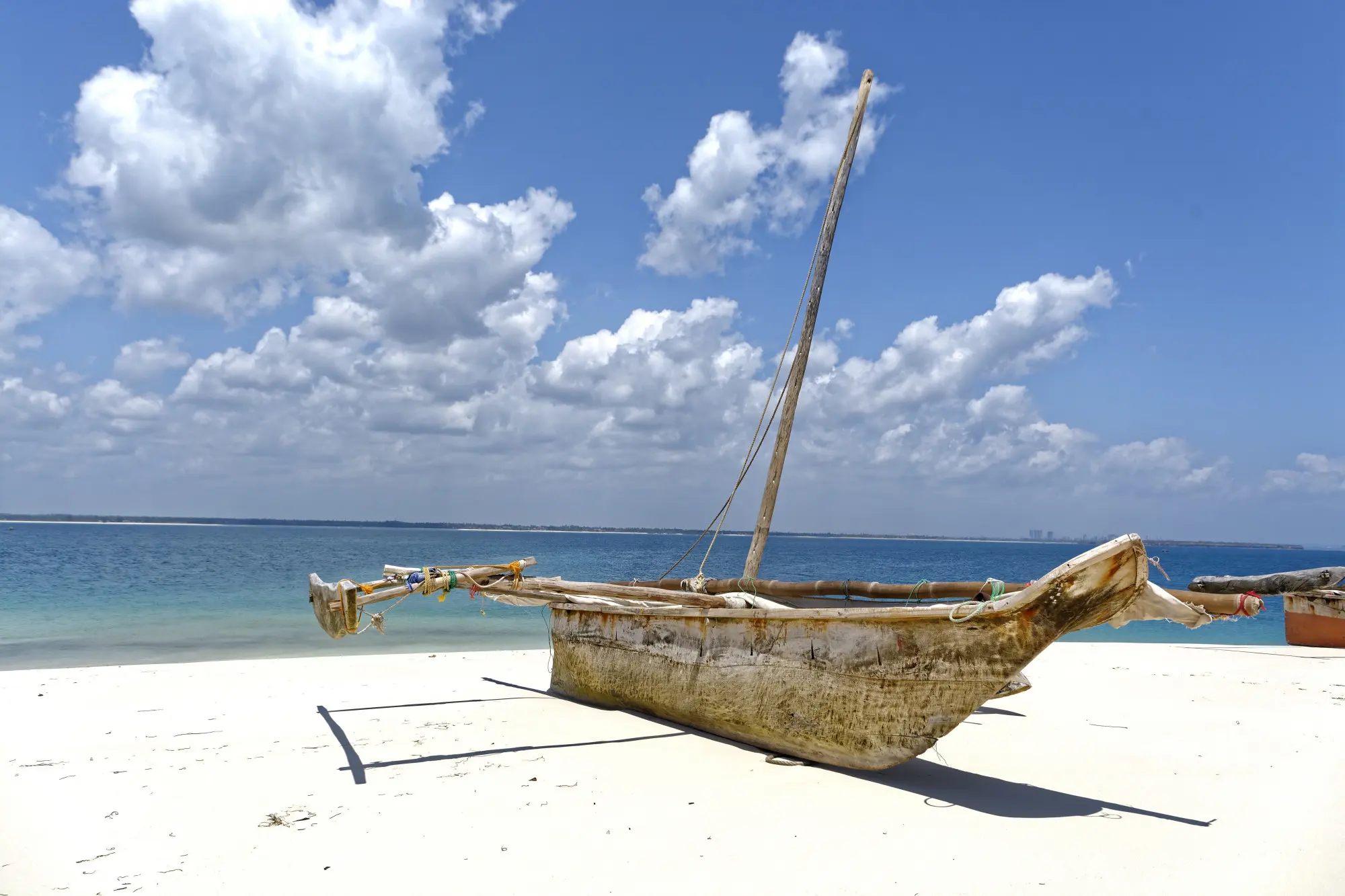
Stone Town Harbour, 6am
Stone Town at 6am before the heat arrives. The dhow harbour is already working: nets being sorted, a wooden hull being caulked with a hand tool, the smell of the sea and something frying somewhere. After a week in the Serengeti, the complete change of atmosphere is almost disorienting. Everything that was open and fast and vast is now narrow and layered and slow. The island requires a different way of looking.

The transition from safari to Zanzibar is one of the most effective travel contrasts available in East Africa. Seven days in the Serengeti, three days in Stone Town and the north coast: the two experiences define each other. The bush becomes more vivid in retrospect when you are sitting on a beach, and the island feels more layered when you have just come from the openness of the plains.

The Five Areas

Understanding the Island

Zanzibar is not one destination but five, each with a different character, pace, and reason to be there. Understanding where to spend your time changes the experience fundamentally.

Year-Round
Stone Town
The historic capital. UNESCO World Heritage Site. Narrow streets, Arab-influenced architecture, the old slave market, and one of the most atmospheric old towns in East Africa. Worth two full days minimum. One day barely touches the surface.
Zanzibar Beach Escape →
Year-Round (best Jun–Oct)
Nungwi and Kendwa
The northern tip. The best swimming conditions at all tides because the reef sits further offshore. A strong sunset every evening. Kendwa is slightly calmer. Nungwi has more activity, more boat trips, and the dhow building yard.
Safari and Zanzibar Escape →
Jun–Oct (kite winds)
Paje and Jambiani
The eastern coast. The sea retreats dramatically at low tide, which matters before you book. Strong consistent winds from June to October make this the best kite-surfing location in East Africa. More independent traveller atmosphere than the north. Better for experiencing local village life.
Zanzibar Beach Escape →
Year-Round
Jozani Forest
The interior forest reserve. Home to the Zanzibar red colobus monkey, an endemic subspecies found nowhere else on earth. A half-day trip combines well with a spice farm or east coast visit. Habituated groups are seen reliably, with no early start required, a highlight most visitors do not expect.
Zanzibar Beach Escape →
Jun–Oct (clearest)
Mnemba Atoll
The most intact reef system in the western Indian Ocean. Over 400 fish species, strong coral cover, and manageable boat access from several beach areas. Green and hawksbill turtles are resident. Best combined with a full-day snorkelling excursion rather than a quick add-on trip.
Mnemba Snorkelling Experience →
Timing Your Visit

Best Time to Visit Zanzibar

Zanzibar is warm year-round but the seasons shape the experience. June through October is consistently the best period. The long rains in April and May affect travel comfort significantly.

Jan
Warm
Feb
Warm
Mar
Warming
Apr
Long Rains
May
Long Rains
Jun
Dry
Jul
Dry
Aug
Dry
Sep
Dry
Oct
Good
Nov
Short Rains
Dec
Warm
PeakBest conditions for this experience
GoodStrong experience, fewer visitors
FairPossible but variable conditions
Dry season
June through October
Calm seas, clear water, and consistent sunshine. The best diving and snorkelling conditions. Strongest winds for kite surfing on the east coast. The period when most safari and Zanzibar combinations are planned.
Warm months
January and February
The warmest ocean temperatures of the year. Excellent for swimming and snorkelling. Humpback whale sightings possible south of the island. More humidity than the dry season but generally good conditions.
Avoid
April and May
The long rains are heavy and can disrupt flights, roads, and beach conditions significantly. Some lodges and resorts close for maintenance during this period. Travel in April and May is possible but not recommended for a beach-focused journey.
On the Island

What a Day in Zanzibar Feels Like

Zanzibar does not have a schedule imposed by safari. There is no guide, no briefing, no departure time. The day starts when you wake up. That absence of schedule is part of what the island is for after a week in the parks.

Before 9am
Stone Town on Foot
Stone Town mornings are best before the heat arrives. The narrow streets are walkable before 9am in a way they are not later. The spice market, the old fort, the waterfront, the carved doorways. This is when the city belongs to itself rather than to visitors.
Morning
The Spice Tour
A half-day spice farm tour in the interior. Clove, nutmeg, vanilla, cinnamon. The spice trade made Zanzibar what it is historically. The tour is short enough to be worthwhile and long enough to change how the island smells for the rest of your stay.
Midday
The Beach
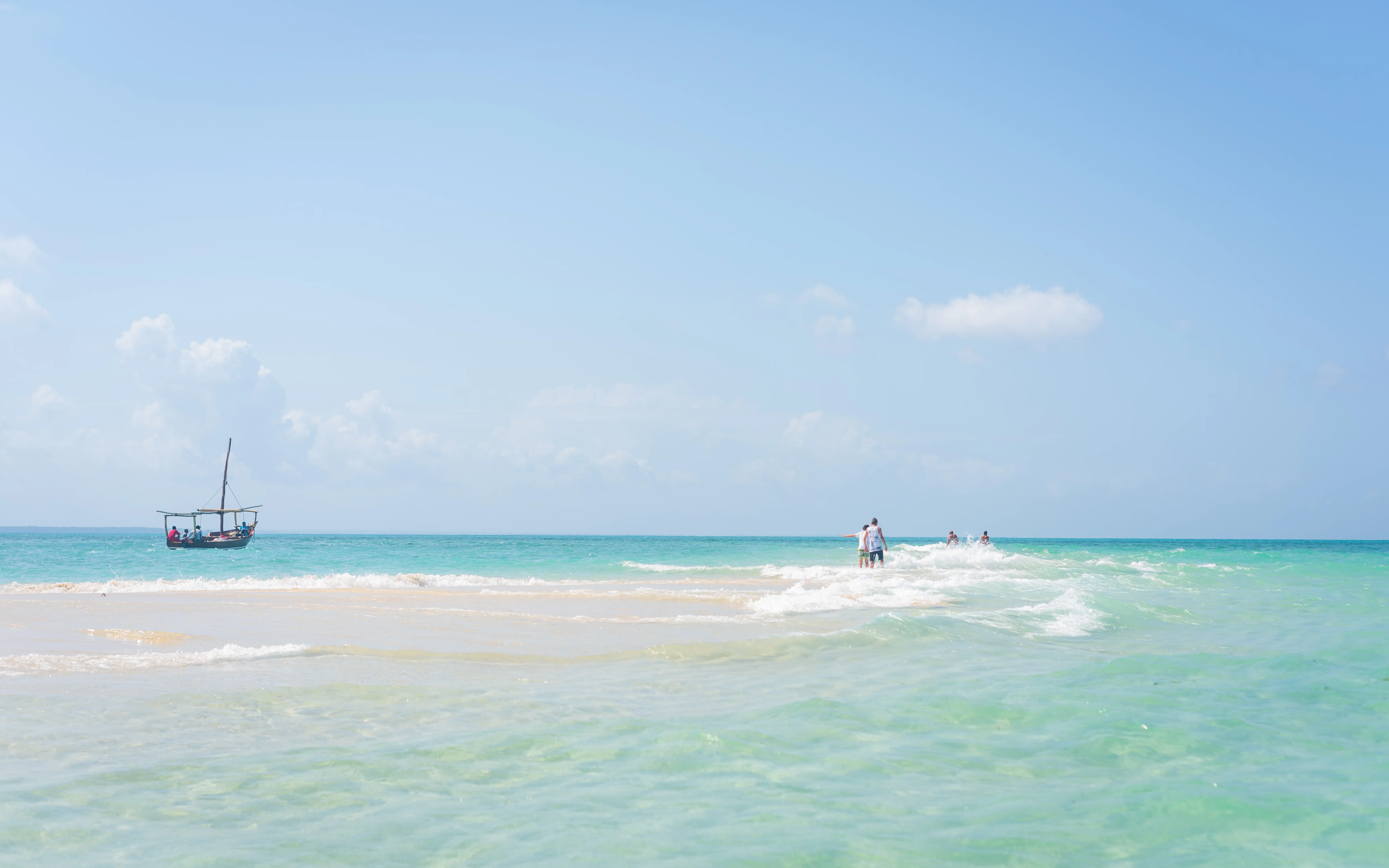
The north coast from mid-morning. Nungwi swims at all tides because the reef sits further out. The water is warm, clear, and shallow enough to walk far from shore. No particular schedule applies. A book, a lounger, and the Indian Ocean.
Afternoon
Sundowner by the Water
Sunset from Nungwi or Kendwa is one of the standard Zanzibar experiences. The dhow silhouettes against the orange sky. Cold beer on the beach. The transition from the sea-facing afternoon to the cooler evening.
Evening
Stone Town by Night
Stone Town after dark is quieter and more navigable than during the day. Forodhani Gardens at the waterfront has street food from sunset. Seafood, sugarcane juice, Zanzibar pizza. Eating by the sea in the warm evening air.
Day 2+
Jozani and the East Coast
A full day combining Jozani Forest (red colobus monkeys endemic to Zanzibar) with the east coast beaches at Paje or Jambiani. The east coast is the kite-surfing hub. The tidal flat recedes dramatically at low tide. Check the tide times before you go.
Accommodation Planning

Where to Stay in Zanzibar

Each area of the island has a different accommodation character. Where you stay determines what your Zanzibar experience actually feels like.

Stone Town
Heritage Hotels
Converted historic buildings in the old town. The atmosphere is extraordinary and the location makes walking exploration easy. Not beach properties, but some have rooftop access to the sea.
Best for: Cultural immersion. First nights after a long flight or safari. History and architecture focus.
Nungwi
North Coast Resorts
The most swimmable beach at all tides. More active social scene. Sunset views over the ocean. A wide range of lodges from boutique to larger resort. The most popular base for first-time visitors.
Best for: All-tide swimming. Sunset. Couples. First Zanzibar visits.
Kendwa
Quieter North
Just south of Nungwi. Calmer than its neighbour, fewer boats and water sports, and a slightly more relaxed atmosphere. The same tide advantage as Nungwi but quieter.
Best for: Couples wanting calm. Honeymooners. Those who found Nungwi too busy.
Paje
East Coast
The kite-surfing hub. Wide beach, strong consistent winds from June to October, and a more independent traveller atmosphere. The tidal flat creates a completely different beach experience.
Best for: Kite surfing. Independent travellers. East coast character seekers.
South and Private Islands
Remote South
The southern coast and private island retreats offer the most exclusive and secluded Zanzibar experience. Very few vehicles, minimal tourist infrastructure, and private beach access.
Best for: Total privacy. Honeymoons. Those for whom the north is too developed.

Where you stay in Zanzibar shapes the entire experience. We match the area to your travel style. Talk to us about your Zanzibar plans.

Trip Planning

How Long to Stay in Zanzibar

Three days gives you Stone Town and one beach area. Five days gives you Stone Town, two beach areas, and Jozani. Seven days lets you move between different parts of the island without rushing.

3 nights
Essential
Stone Town and one beach
Three nights covers Stone Town properly (two full days) and gives one beach location. The minimum to understand what Zanzibar offers. This is the standard extension for a one-week safari combination.
Best for: Safari combinations. First visits. Travelers with limited time.
7+ nights
Extended
The full island
Seven or more nights enables a thorough exploration of the island's different characters. Stone Town, north coast, east coast, south, Jozani, dolphin watching at Kizimkazi, and Mnemba Atoll diving. For those making Zanzibar the primary focus of their journey.
Best for: Honeymooners. Divers. Those for whom the beach is the main event.
Expert Guidance

Common Zanzibar Planning Mistakes

Most Zanzibar planning errors come from treating the island as a single destination rather than several different ones.

Location
Staying only on the north coast and missing Stone Town
Many travelers fly directly to a north coast resort and never visit Stone Town. This is the equivalent of visiting Tanzania and skipping the wildlife. Stone Town is one of the most atmospherically rich old towns in East Africa and it takes two full days to begin to understand it.
Tides
Not checking tide tables before booking the east coast
The east coast beaches at Paje and Jambiani have a dramatic tidal flat. At low tide the sea recedes hundreds of metres and swimming is impossible. This is not a problem if you know it, and plan beach time around the tide schedule. It is a significant disappointment if you do not.
Transfers
Under-estimating travel times between areas
Zanzibar is small but the roads are not always fast. Stone Town to the north coast is 45 to 60 minutes. Stone Town to the east coast is 60 to 75 minutes. If you want to base yourself in one place and explore others as day trips, the transfers need to be factored into the day.
Duration
Booking three nights when five are what you actually need
Three nights feels enough before arrival. After two days on the island, most travelers wish they had more time. Stone Town alone deserves two full days. The beaches deserve at least two more. Five nights is the honest minimum if both cultural and beach experience matter to you.
Responsible Travel

Travelling Responsibly in Zanzibar

Cultural respect in Stone Town. Stone Town is a living community, not a heritage display. Modest dress in the old town is appropriate and expected. The Friday prayer at the mosques affects street access and noise in some areas. Engaging with local guides supports the community more directly than independent navigation.

Marine environment. The reefs around Mnemba Atoll are a protected marine area. Responsible snorkelling and diving practices, including not standing on coral and not purchasing any coral or shell products, are standard here. Turtle nesting on the northern beaches is protected by research stations and respected visitor protocol.
Plan Your Journey

Start Planning Your Zanzibar Journey

Tell us your travel dates, which parts of the island you want to experience, and how it fits with any safari plans. We build the full journey from Moshi or Arusha.

Plan Your Zanzibar Journey Contact Us
WhatsApp Us
WhatsApp Us